
30.7K
Downloads
349
Episodes
The Chills at Will Podcast is a celebration of the visceral beauty of literature. This beauty will be examined through close reads of phrases and lines and passages from fiction and nonfiction that thrills the reader, so much so that he wants to read again and again to replicate that thrill. Each episode will focus on a different theme, such as "The Power of Flashback," "Understatement," "Cats in the Cradle," and "Chills at Will: Origin Story."
Episodes
Tuesday Nov 09, 2021
Tuesday Nov 09, 2021
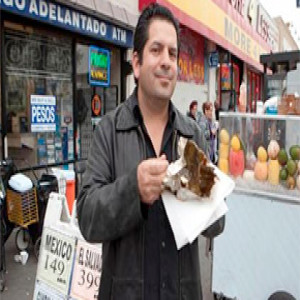
Episode 90 Notes and Links to Bill Esparza’s Work
On Episode 90 of The Chills at Will Podcast, Pete welcomes Bill Esparza, as the two discuss, among other topics, ideas of Chicanismo, representation in popular culture and literature, the repression of the speaking of Spanish, and Mexican food as hyper regional and incredibly-varied, with its rich histories shown in Bill’s book and in his recent series about California’s “barbacoa trail.”
Bill Esparza is a professional musician, writer, and fixer whose travels throughout Latin America have made him a leading expert on Latin American cuisines. He fell in love with Mexican cooking at his grandmother's table and on childhood trips to his family's hometown of Aguascalientes, Mexico, where he was introduced to street food. His original style of writing and passion for culture have made Esparza a go-to source for magazines, newspapers, and food travel shows. His knowledge has been acquired the old-fashioned way, from firsthand experience on the streets and at the stands and markets of Los Angeles, Mexico, Central America, the Caribbean, and South America.
Buy Bill Esparza’s LA Mexicano: Recipes, People, and Places
Bill and Andrew Zimmern on Bizarre Foods in San Diego, including a visit to Aquí es Texcoco
Bill's “California’s Barbacoa Trail” series for Eater LA
Bill’s 2021 series about “The 20 Essential Restaurants in Valle de Guadalupe”
At about 1:25, Bill Esparza talks about his role as a “fixer”
At about 2:50, Bill talks about growing up in Stockton, CA, and how he, like many Chicanos in the 70s did not learn a lot of Spanish due to anti-Mexican and anti-Spanish-speaking racism; he also talks about his overall relationship with language and the library
At about 6:30, Bill talks about his early love of music, fostered by his father and the soul and rock music scenes
At about 8:25, Bill talks about the implications of the term “Chicano” and its generational and cultural connections
At about 11:15, Pete asks Bill about what defines “Chicano Soul”
At about 14:45, Bill responds to Pete’s question about Bill’s views on repreentation
At about 17:50, Pete references standout writer Kali Fajardo-Anstine and her recent social media as an example of the hugely-varied experiences of those who speak and don’t speak Spanish
At about 19:50, Bill describes his relationship with food, and “homebase” at his grandmother’s house and his “pocho” experience through food and Spanish-language televisión; he describes his childhood visits to Aguascalientes as “profound” and how they had “awakened” him
At about 23:45, Bill describes how his unofficial food critic and food student sensibility began on the road, particularly touring with Marisela
At about 25:10, Pete wonders how Bill began writing about food
At about 28:20, Bill explains the significance of his visit to pyramids in Mexican, and the idea of making sure that he didn’t lose his connections to México after his father’s passing
At about 30:35, Bill talks about feeling a responsibility to have Mexican and Mexican-American and others traditionally-underrepresented as chefs and food writers up front, telling their stories
At about 32:30, Pete asks Bill about his time working with Andrew Zimmern and what it’s like to be a food “ambassador”
At about 36:20, Pete expresses his undying love for La Cocina de Doña Esthela in Baja California and thanks Bill for greatly boosting its popularity
At about 38:35, Bill differentiates between birria and barbacoa and their countless iterations and styles of cooking
At about 40:20, Pete and Bill talk about his “California’s Barbacoa Trail” series for Eater LA and the hyper regionality of Mexican food
At about 45:10, Pete and Bill discuss the incredible diversity of Mexican food in Los Angeles
At about 46:45, Pete wonders quixotically about why LA can’t sell Ensenada-style fresh mariscos, and Bill informs him about why it wouldn’t sustainable
At about 49:45, Pete notes how Bill’s “California’s Barbacoa Trail” article series brought up interesting ideas of “home” and the ways of community life in rural towns
At about 52:00, Bill talks about pulque’s significance in connection with barbacoa
At about 54:00, Pete and Bill highlight some of the cooks spotlighted in Bill’s series
At about 55:00, Bill highlights Barbacoa Mejia in Richmond, CA and its incredible ximbó
At about 55:45, Bill and Pete discuss his book, LA Mexicano: Recipes, People, and Places and Bill’s aims in writing the book
At about 58:30, Pete shouts out Madre Oaxacan cuisine in Los Angeles, which Bill notes has the world’s biggest selection of mezcal
At about 59:30, Bill describes why and how he sees his book as a “sequel” to Gustavo Arellano’s classic Taco USA: How Mexican Food Conquered the USA
At about 1:01:50, Pete asks Bill about the idea of “authentic” food
At about 1:03:20, Bill cites Enrique Olvera and his idea that even the term “Mexican food” is incredibly limiting and a misnomer really
At about 1:04:25, Bill discusses what different regions and towns value as indicators
At about 1:07:20, Bill responds to Pete’s questions about the future of Mexican food-its commercialization, developments, the influx of restaurants from México City coming to LA, etc.
At about 1:10:30, Bill explains why Nixtaco in the Sacramento area is doing so well
At about 1:12:00, Bill shouts out a great spot in Valle de Guadalupe, Wa Kumiai Tabita (check Number 4)
You can now subscribe to the podcast on Apple Podcasts, and leave me a five-star review. You can also ask for the podcast by name using Alexa, and find the pod on Stitcher, Spotify, and on Amazon Music. Follow me on IG, where I’m @chillsatwillpodcast, or on Twitter, where I’m @chillsatwillpo1. You can watch other episodes on YouTube-watch and subscribe to The Chills at Will Podcast Channel. Please subscribe to both my YouTube Channel and my podcast while you’re checking out this episode.
This is a passion project of mine, a DIY operation, and I’d love for your help in promoting what I’m convinced is a unique and spirited look at an often-ignored art form.
The intro song for The Chills at Will Podcast is “Wind Down” (Instrumental Version), and the other song played on this episode was “Hoops” (Instrumental)” by Matt Weidauer, and both songs are used through ArchesAudio.com.
Please tune in for the next episode, a conversation with Annie McDermott, translator of works in Spanish and Portuguese, including Mario Levrero’s The Luminous Novel. The episode will air starting November 16.
Wednesday Nov 03, 2021
Wednesday Nov 03, 2021
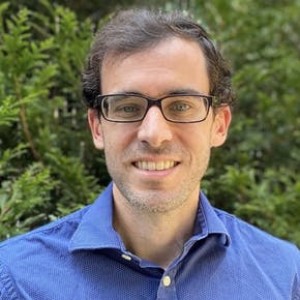
Episode 89 Notes and Links to Luke Epplin’s Work
On Episode 89 of The Chills at Will Podcast, Pete welcomes Luke Epplin, writer of Our Team: The Epic Story of Four Men and the World Series That Changed Baseball. The two talk about, among other things, Luke’s early relationship with language, his admiration for certain writers who have shaped his sensibility and philosophy of writing, and his purpose in writing nonfiction that has the best qualities of fiction. They also discuss his dazzling book about four intriguing members of The Cleveland Indians and their 1948 World Series victory and rollercoaster season.
Luke Epplin, whose writing has appeared in The Atlantic, the New Yorker Page-Turner, The Washington Post, GQ, Slate, Salon, The Daily Beast, among others, and he has appeared in such places as NPR’s “Weekend Edition,“ The New York Times, the MLB Network, and ESPN. He is the author of Our Team: The Epic Story of Four Men and the World Series That Changed Baseball about Bob Feller, Larry Doby, Bill Veeck, Satchel Paige, and the Cleveland Indians of the 1940s.
Buy Our Team: The Epic Story of Four Men and the World Series That Changed Baseball
“How Black Players Propelled Cleveland's Baseball Team To Win The 1948 World Series” from NPR, March 2021
At about 2:00, Luke talks about growing up in a small town outside of St. Louis, including how he was a voracious reader and was exposed to great baseball writing, including David Halberstram and his October 1964 book as an influence for Our Team, his own novel
At about 5:00, Luke talks about his fandom for the St. Louis Cardinals, and how the team’s fortune has made the fanbase different than the fans of the hard-luck
At about 7:20, Luke cites David Halberstram’s Summer of ‘49 as an inspiration for his book’s narrative
At about 9:00, Luke talks about chill-inducing literature, including William Saroyan, Alice Munro, and Deborah Eisenberg, and William Trevor
At about 10:10, Luke describes being into “lyrical realism” and how he would read aloud short stories and/or copy short stories word for word to help him “locate a voice that [was] wholly [his] own”
At about 12:25, Luke talks about Gay Talese, David Halberstram, and others whose nonfiction read like fiction in the best possible ways and inspired Luke’s own aesthetic
At about 13:30, Luke talks about his appreciation of John Cheever and spiritual ancestors and descendants
At about 15:30, Luke details great phrasing from Gay Talese’s famous piece on Joe DiMaggio, and how he used “the rhythm” of the diction as inspiration fro his own book
At about 18:00-Luke references Mark Harris’ Pictures at a Revolution as a big source of inspiration and thrill and Erik Larson as well
At about 20:05-Luke points out the lack of stats and numbers used in his Our Team book, and his rationale for this
At about 21:40, Pete and Luke join the Laura Hillenbrand Mutual Admiration Society
At about 24:00, Luke discusses the ways in which he balanced archive footage and interviews in “piecing together” his storyline for Our Team
At about 25:20, Luke talks about the challenges of telling Larry Doby’s story, as he was a reticent person for the most part
At about 26:55, Pete asks Luke for his “ ‘Eureka’ moments” and Luke shares an interesting anecdote about his grandfather, the St. Louis Browns, and Bill Veeck that were seeds for his book
At about 30:50, Pete references Luke as part of a group of writers in recent years like Bradford Pearson and Eric Nusbaum, among many others, who have written a certain type of “sports book” that is not wholly a sports book; Pete’s joke about the epically long titles so popular these days leads to Luke
At about 33:15, Luke gives background on Bill Veeck, one of the four main characters of Luke’s book
At about 36:10, Luke gives background on Larry Doby, one of the four main characters of Luke’s book
At about 38:20, Pete and Luke discuss the unfair expectations for Larry Doby as a “pioneer,” and Eric juxtaposes Jackie Robinson and Larry Doby’s experiences
At about 43:00, Luke talks about the book’s Epilogue that details the blatant racism that Larry Doby experienced, including after his heroic 1948 World Series, and some of the ways in which white writers didn’t fully take into account the hardships he faced
At about 46:00, Luke discusses the intriguing and singular Satchel Paige, one of the “Big Four” from the book
At about 49:50, Pete and Luke discuss Larry Doby and Satchel Paige’s relationship, as well as the latter’s persona and its connection to the ugly history of racism, minstrel shows, etc.
At about 52:10, Luke traces the modern frowning upon “showy baseball” in contemporary times
At about 53:30, Pete and Luke discuss the brainstorming tours undertaken by Bob Feller, Satchel Paige described in great detail in the book
At about 53:25, Pete proudly shares stories involving his grandfather, Joe Albanese, and how he got two hits off Satchel Paige in a barnstorming exhibition
At about 56:25, Luke details Satchel Paige in juxtaposition to Bob Feller and to Jackie Robinson, as well as how Paige’s legendary confidence and independence-he is, Luke says, “fully himself”
At about 1:00:00, Luke talks of the absolute legend that Satchel Paige was and how his pitching was an absolute scene for spectators
At about 1:00:40, Pete asks Luke to dispel (hehe) rumors that Pope Francis recently cited Luke’s book while talking to Joe Biden, and Luke continues in talking about Satchel’s LONG and illustrious career
At about 1:03:10, Luke discusses the phenom Luke discusses the intriguing and singular Satchel Paige, one of the “Big Four” from the book, one of the “Big Four” from the book; Luke cites Feller’s bona fides as someone who built himself up by himself, the “ ‘American Dream’ writ large” post-Depression and Roaring 20s
At about 1:08:55, Pete and Luke discuss the book’s ending-the glorious victory in the 1948 World Series-including the letdown experienced by various characters in the book; Luke cites “loneliness” as a central theme of the book
At about 1:11:00, Pete and Luke discuss Luke’s meaningful focus on a certain pivotal August
At about 1:12:35, Luke talks about future projects, including an exciting and intriguing basketball story he will be telling, and possibly writing in Spanish (pues, tal vez…)
At about 1:14:17, Pete and Luke talk about the glorious “sic” and Luke’s experience with the “colorful” sportswriting that he used to build his book
At about 1:15:20, Effa Manley is discussed and why she needs her story to be written
At about 1:15:55, Luke reads an excerpt from the book that deals with the legendarily energetic Bill Veeck
At about 1:21:00, Luke gives out his contact information and shouts out his local favorite, The Astoria Bookshop
You can now subscribe to the podcast on Apple Podcasts, and leave me a five-star review. You can also ask for the podcast by name using Alexa, and find the pod on Stitcher, Spotify, and on Amazon Music. Follow me on IG, where I’m @chillsatwillpodcast, or on Twitter, where I’m @chillsatwillpo1. You can watch other episodes on YouTube-watch and subscribe to The Chills at Will Podcast Channel. Please subscribe to both my YouTube Channel and my podcast while you’re checking out this episode.
This is a passion project of mine, a DIY operation, and I’d love for your help in promoting what I’m convinced is a unique and spirited look at an often-ignored art form.
The intro song for The Chills at Will Podcast is “Wind Down” (Instrumental Version), and the other song played on this episode was “Hoops” (Instrumental)” by Matt Weidauer, and both songs are used through ArchesAudio.com.
Please tune in for the next episode, a conversation with Bill Esparza. Esparza is a professional musician, writer, and blogger whose travels throughout Latin America have made him a leading expert on Latin American cuisines. He fell in love with Mexican cooking at his grandmother's table and on childhood trips to his family's hometown of Aguascalientes, Mexico, where he was introduced to street food. His original style of writing and passion for culture have made Esparza a go-to source for magazines, newspapers, and food travel shows. His knowledge has been acquired the old-fashioned way, from firsthand experience on the streets and at the stands and markets of Los Angeles, Mexico, Central America, the Caribbean, and South America. The episode will air starting November 9.

Wednesday Oct 27, 2021
Wednesday Oct 27, 2021
Episode 88 Notes and Links to Father Greg Boyle’s Work
On Episode 88 of The Chills at Will Podcast, Pete welcomes Father Greg Boyle, S.J., founder and director of Homeboy Industries. The two discuss Father’s growing up in Los Angeles, his formative days in the Jesuit order, his life-changing time in Bolivia, and the breathtakingly-inspiring work he has done in the almost 40 years that he has worked at Dolores Mission Church and Homeboy Industries. The two discuss Father’s transcendent books, Tattoos on the Heart, Barking to the Choir, and his newest stunner, The Whole Language: The Power of Extravagant Tenderness.
A native Angeleno and Jesuit priest, from 1986 to 1992, Father Boyle served as pastor of Dolores Mission Church in Boyle Heights, then the poorest Catholic parish in Los Angeles that also had the highest concentration of gang activity in the city.
Father Boyle witnessed the devastating impact of gang violence on his community during the so-called “decade of death” that began in the late 1980s and peaked at 1,000 gang-related killings in 1992. In the face of law enforcement tactics and criminal justice policies of suppression and mass incarceration as the means to end gang violence, he and parish and community members adopted what was a radical approach at the time: treat gang members as human beings.
In 1988 they started what would eventually become Homeboy Industries, which employs and trains former gang Fathemembers in a range of social enterprises, as well as provides critical services to thousands of men and women who walk through its doors every year seeking a better life.
Father Boyle is the author of the 2010 New York Times-bestseller Tattoos on the Heart: The Power of Boundless Compassion. His book, Barking to the Choir: The Power of Radical Kinship, was published in 2017.
He has received the California Peace Prize and been inducted into the California Hall of Fame. In 2014, President Obama named Father Boyle a Champion of Change. He received the University of Notre Dame’s 2017 Laetare Medal, the oldest honor given to American Catholics. Currently, he serves as a committee member of California Governor Gavin Newsom’s Economic and Job Recovery Task Force as a response to COVID-19.
Last week, his latest book, The Whole Language: The Power of Extravagant Tenderness came out with Simon & Schuster.
Support and Learn about Homeboy Industries!
Buy G-Dog and the Homeboys: Father Greg Boyle and the Gangs of East Los Angeles (All proceeds go to Homeboy Industries!)
Buy Tattoos on the Heart: The Power of Boundless Compassion (All proceeds go to Homeboy Industries!)
Buy Barking to the Choir: The Power of the Radical Kinship (All proceeds go to Homeboy Industries!)
Buy The Whole Language: The Power of Extravagant Tenderness (All proceeds go to Homeboy Industries!)
Support the Incredible Community of Dolores Mission Parish!
At about 2:05, Father Greg talks about how Homeboy Industries is doing in the midst of COVID, including how it has pivoted to working with HOPE Ministries, how inequality has been exacerbated since COVID
At about 7:45, Father Greg talks about his childhood in LA, calling his upbringing and his family “out of a Norman Rockwell painting,” with big families all over his block, altar serving and Mass, and other “glorious” experiences like riding bikes all throughout a downtown LA that was “a ghost town”
At about 12:10, Father gives background on his admiration for the Jesuits growing up, including the legendary activist Father Daniel Berrigan and other smart and joyful Jesuits who inspired him
At about 17:05, Father describes how his time in Bolivia “ruined [him]” and how his time at Dolores Mission began, becoming the youngest pastor in the history of the
At about 18:45, Father shares some beautiful anecdotes about transformative experiences in Cochabamba and surrounding areas in Bolivia
At about 22:45, Father and Pete talk about Father’s earliest days at Dolores Mission, especially the 1988-1998 “Decade of Death,” with much of this chronicled in Celeste Fremon’s G-Dog and the Homeboys: Father Greg Boyle and the Gangs of East Los Angeles
At about 29:20, Pete and Father discuss the incredible women who have done such incredible things at Dolores Mission Parish
At about 30:20, Pete asks Father about how he finds rest while being in charge of such an important and bustling sets of organizations; Father cites the incredible Homies and how everyone “has keys to the place”
At about 32:50, Pete recounts an example of Father’s incredible sense of calm in the face of pressure
At about 34:00, Father responds to Pete’s question about Father’s experience that has led him to often say and write that “no hopeful kid has ever joined a gang”
At about 35:50, Pete notes some themes from Father’s books, starting with ideas of guilt and shame that accompanies great trauma, as well as ideas of victims and victimizers and how “elastic our hearts are”
At about 39:10, Father talks about ideas of redemption and “becoming”
At about 39:40, Father disavows the idea of him “transforming lives”
At about 41:00, Father talks about the “secret sauce” of Homeboy Industries
At about 42:00, Father explains his idea that he doesn’t want “volunteers” who plan to “reach” those they work with
At about 42:50, Father and Pete reflect on an incredible story about Carlos from Father’s Barking to the Choir and the importance of attention and personalized affection
At about 46:00, Father talks about the ACE index and its huge impact on adolescents and adults, as well as how a failure to appreciate and treat trauma leads to societal divisions
At about 48:20, Father and Pete discuss the “slow work of God,” as described in Father’s books
At about 51:00, the two discuss love and kinship and their intricate relationship and their importance in the books; they recount a telling story about the church and its sense of community
At about 52:45, Pete wonders how Father gets former and current enemies to work together
At about 56:30, Father and Pete reflect on a few heartbreaking, beautiful, and telling stories from his books
You can now subscribe to the podcast on Apple Podcasts, and leave me a five-star review. You can also ask for the podcast by name using Alexa, and find the pod on Stitcher, Spotify, and on Amazon Music. Follow me on IG, where I’m @chillsatwillpodcast, or on Twitter, where I’m @chillsatwillpo1. You can watch other episodes on YouTube-watch and subscribe to The Chills at Will Podcast Channel. Please subscribe to both my YouTube Channel and my podcast while you’re checking out this episode.
This is a passion project of mine, a DIY operation, and I’d love for your help in promoting what I’m convinced is a unique and spirited look at an often-ignored art form.
The intro song for The Chills at Will Podcast is “Wind Down” (Instrumental Version), and the other song played on this episode was “Hoops” (Instrumental)” by Matt Weidauer, and both songs are used through ArchesAudio.com.
Please tune in for the next episode, a conversation with Luke Epplin, whose writing has appeared in The Atlantic, the New Yorker Page-Turner, The Washington Post, GQ, Slate, Salon, The Daily Beast, among others, and he has appeared in such places as NPR’s “Weekend Edition,“ The New York Times, the MLB Network, and ESPN. He is the author of Our Team: The Epic Story of Four Men and the World Series That Changed Baseball about Bob Feller, Satchel Paige, and the Cleveland Indians of the 1940s. The episode will air on November 2.

Friday Oct 22, 2021
Friday Oct 22, 2021
Episode 87 Notes and Links to Natalia Sylvester’s Work
On Episode 87 of The Chills at Will Podcast, Pete welcomes Natalia Sylvester and talks to her about her stellar writing for kids, young adults, and adults. The two talk about, among other topics, her inspirations, her love of “I Love Lucy,” and her dynamic topical, and moving award-winning book, 2020’s Running.
Natalia Sylvester is the award-winning author of several novels for adults and young adults. CHASING THE SUN was named the Best Debut Book of 2014 by Latinidad and EVERYONE KNOWS YOU GO HOME won an International Latino Book Award and the 2018 Jesse H. Jones Award for Best Work of Fiction from the Texas Institute of Letters.
Natalia's debut YA novel, RUNNING, was a 2020 Junior Library Guild Selection, and her next novel for young adults, BREATHE AND COUNT BACK FROM TEN, is forthcoming in May 2022 from Clarion Books/HarperCollins. A MALETA FULL OF TREASURES, Natalia's first picture book (illustrated by Juana Medina), will be published by Dial Books in 2024.
Natalia's non-fiction has appeared in the New York Times, Bustle, Catapult, Electric Literature, Latina magazine, and McSweeney's Publishing. Her essays have been anthologized in collections such as A MAP IS ONLY ONE STORY and A MEASURE OF BELONGING: WRITERS OF COLOR ON THE NEW AMERICAN SOUTH.
Born in Lima, Peru, Natalia came to the US at age four and grew up in Florida and the Rio Grande Valley in Texas. She received a BA in Creative Writing from the University of Miami, was a 2021 Visiting Associate Professor at the University of Texas at Austin, and was formerly a faculty member at the Mile-High MFA program at Regis University.
Buy Everyone Knows You Go Home from Bookshop
Preorder Breathe and Count Back from Ten
“Natalia Sylvester is Changing the Narrative” from July 2020 in Austin Woman Magazine
From Buzzfeed, 2020: “30 YA Books By Latinx Authors We Can't Wait To Read In 2020”
Everyone Knows You Go Home review on Latino Book Review
At about 2:10, Natalia talks about having work included on the legendary “Latino USA” show
At about 3:30, Pete and Natalia talk about her prolific nature, with her stellar works coming in quick fashion in recent years; Natalia talks about the process as “surprising at every turn”
At about 5:30, Natalia talks about the challenges of writing for children and young adults
At about 6:40, Natalia responds to Pete’s questions about her relationship with language in her youth, as a young immigrant to the US
At about 10:00, Natalia talks about what she loved reading as a child, especially Dahl’s Matilda and comics, and she and Pete bond over their shared love of The Babysitters’ Club
At about 12:40, Pete asks Natalia if she “saw herself” in what she read as a younger person
At about 16:40, Natalia discusses formative texts that resonate(d) with her and were “completely revolutionary,” such as Cristina Garcia’s Dreaming in Cuban, and Natalia notes how it was surreal to meet and speak with Cristina Garcia in later years
At about 20:25, Natalia lists Isabel Quintero, the stellar writing duo Dhonielle Clayton and Sona Charaipotra, Taherer Mafi as "giants of YA"-writers who inspire and thrill her
At about 23:50, Natalia reflects on whether or not becoming a successful writer has affected her pleasure reading
At about 25:05, Natalia notes that storytelling is widespread, and talks about how Breaking Bad and other media inform her writing, and Pete and Natalia talk about “ripple effects” in stories
At about 27:05, Natalia talks about “ ‘Eureka’ moment” that have given her the impetus to continue; she cites supportive teachers
At about 29:45, Natalia responds to Pete’s questions about nonfiction and fiction, and she talks about lessons learned from both and how she honed her craft using both
At about 33:20, Pete shares a borrowed quote that speaks to the power of fiction
At about 33:45, Pete asks Natalia about how she did so well writing about the Mexican-American experience in Everyone Knows You Go Home, as well as feedback about the book and her research for the book
At about 38:45, Natalia summarizes her 2020 YA book, Running
At about 39:40, Natalia and Pete discuss YA books, Natalia’s light touch with slang, and banned books “mature themes” in YA literature like her book
At about 43:55, Pete and Natalia discuss Anthony Ruiz, the father and POTUS candidate from the book; Natalia discusses the spark for the book
At about 46:30, Natalia outlines the real-life connections between events of the book and happenings in Florida around 2018
At about 48:25, Natalia talks about “research” for the book, some of which was intentional and some was simply “drawing from experiences”
At about 50:55, Pete and Natalia discuss the younger characters of the book, especially the protagonist Mariana/Mari and their connections to injustice and political decisions as Pete compliments Natalia for not “dumbing it down” for young readers
At about 52:55, Natalia expands upon the background of Juliana Ruiz, Mari’s mother, and including the ways in which she was present in early drafts of the book
At about 56:45, the two discuss Mari and her gaining of strength and “positive mob mentality” as Pete reads some dynamic quotes from the book that illustrate this and other themes like independence; especially action/inaction as key in the book
At about 58:30, Natalia reads an excerpt from the book that deals with Mari’s favorite memory with her father
At about 1:03:00, Natalia sets up a reading of an excerpt that deals with “I Love Lucy” by talking about her own love for and connections to the show
At about 1:06:45, Natalia talks about upcoming work, including the book set to be published in 2022, Breathe and Count Back from Ten, and themes of fitting in that excite Natalia about writing for the youth of today and her younger self
You can now subscribe to the podcast on Apple Podcasts, and leave me a five-star review. You can also ask for the podcast by name using Alexa, and find the pod on Stitcher, Spotify, and on Amazon Music. Follow me on IG, where I’m @chillsatwillpodcast, or on Twitter, where I’m @chillsatwillpo1. You can watch other episodes on YouTube-watch and subscribe to The Chills at Will Podcast Channel. Please subscribe to both my YouTube Channel and my podcast while you’re checking out this episode.
This is a passion project of mine, a DIY operation, and I’d love for your help in promoting what I’m convinced is a unique and spirited look at an often-ignored art form.
The intro song for The Chills at Will Podcast is “Wind Down” (Instrumental Version), and the other song played on this episode was “Hoops” (Instrumental)” by Matt Weidauer, and both songs are used through ArchesAudio.com.
Please tune in for the next episode, a conversation with Father Greg Boyle, the legendary yet humble Jesuit priest who has been lauded worldwide as the founder and director of Homeboy Industries, the world's largest gang-intervention and rehabilitation program, and for his transcendent talks and books. The former pastor of Dolores Mission Church in Los Angeles, his latest book is The Whole Language: The Power of Extravagant Tenderness, and it came out on October 19. The episode will air on October 26.

Tuesday Oct 19, 2021
Tuesday Oct 19, 2021
Episode 86 Notes and Links to Mark Athitakis’ Work
On Episode 86 of The Chills at Will Podcast, Pete welcomes Mark Athitakis, and the two talk about Mark’s varied reading, his various writing and editing jobs, his role as book critic and literary reviewer, ideas of the critic as objective chronicler, and his work that highlights underappreciated writers and Midwestern writers.
Mark Athitakis is a writer, editor, critic, blogger, reporter, essayist, white-paper-ist. He has written short and long pieces for publications like The New York Times and Washington Post, published two books, and provided editorial assistance from basic proofreading to deeper guidance on book-length projects. He has taught, consulted, and generally helped people tell their stories better. His particular expertise is in association/nonprofit content and literary criticism, but he delivers professional work in a variety of contexts.
October 4, 2021 Review in USA Today of Jonathan Franzen’s Crossroads
Authory.com Page for Mark-links to 300+ past publications
Buy The New Midwest at Bookshop.org
At about 2:00, Mark discusses his multifaceted career and the different types of writing he does as a “white paper-ist”
At about 4:25, Mark talks about his childhood, as a child of immigrants from Crete, Greece, and the ways in which language and reading and immigrant tradition affected his later expertise with writing
At about 7:30, Mark talks about his early reading and having his “head turned sideways” by writers like Nelson Algren and Harry Mark Petrakis who wrote about place, and immigrant communities such as he knew growing up in Chicago; he also references Paul Fussell’s Class and its impact on him
At about 13:30, Mark talks about more recent reading that has informed his love of literature and his own writing, including William Faulkner, Phillip Roth, Marilyn Robisnon, and admired critics like Parul Sehgal, Patricia Lockwood, Laura Miller, Leslie Jamison, and Elizabeth Nelson
At about 18:20, Mark responds to Pete’s question about moments in which he felt that his work resonated, and he talks about “really [taking] to it” when he began doing portraits of artists like Brian Wilson
At about 21:00, Mark talks about the importance of the alt-weekly in nurturing young writers, and the declining impact of these alt-weeklies
At about 22:25, Pete asks Mark about editing others’ work, especially with writing as a supposed solitary activity; Mark talks about his recent role as a writer-in-residence at the public library and what he learned from it
At about 26:40, Pete wonders about objectivity when it comes to criticism
At about 30:05, Pete inquires into if and how reading as a critic affects Mark’s reading for pleasure; he also asks Mark about the philosophy of “bashing” and negative reviews
At about 36:25, Mark responds to the Pete’s musings about the “democratization of reviews” and how this affects him
At about 38:00, Pete and Mark discuss Jonathan Franzen and his role as “controversial”; Pete cites parts of Mark’s recent positive review of Franzen’s Crossroads
At about 42:15, Pete asks Mark about the portrait he wrote for the LA Times about Rabih Alameddine and if Mark sees a need to be an evangelist or activist with a book like this one
At about 49:30, Pete and Mark discuss The New Midwest, Mark’s book, and Mark talks about the genesis and aim of the book, with Belt Magazine providing impetus
At about 54:00, Mark discusses his desire to avoid putting Chicago and Midwestern literature in opposition to other literary scenes in his book, but instead to celebrate the Midwestern scene
At about 57:00, Mark salutes Marilynne Robinson in citing her as a true Midwest writer and underappreciated student and chronicler of the region
At about 59:30, the two discuss David Foster Wallace’s work as Pete asks Mark if he is a “Midwest writer” and Mark’s thoughts about his work
At about 1:03:20, Mark reads a piece of his that he deems a bit different from his usual-a piece from The Washington Post about “quarantine reading”; Pete and Mark discuss the article’s ideas
At about 1:08:00, Mark gives his contact information
You can now subscribe to the podcast on Apple Podcasts, and leave me a five-star review. You can also ask for the podcast by name using Alexa, and find the pod on Stitcher, Spotify, and on Amazon Music. Follow me on IG, where I’m @chillsatwillpodcast, or on Twitter, where I’m @chillsatwillpo1. You can watch other episodes on YouTube-watch and subscribe to The Chills at Will Podcast Channel. Please subscribe to both my YouTube Channel and my podcast while you’re checking out this episode.
This is a passion project of mine, a DIY operation, and I’d love for your help in promoting what I’m convinced is a unique and spirited look at an often-ignored art form.
The intro song for The Chills at Will Podcast is “Wind Down” (Instrumental Version), and the other song played on this episode was “Hoops” (Instrumental)” by Matt Weidauer, and both songs are used through ArchesAudio.com.
Please tune in for the next episode, a conversation with Natalia Sylvester, YA author extraordinaire. She has written, among other books, the award-winning Running, and her upcoming book is Breathe and Count Back from Ten, comes out in May 2022. The episode will air on October 22.
Friday Oct 15, 2021
Friday Oct 15, 2021
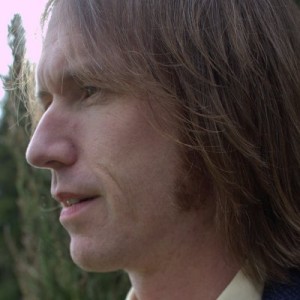
Episode 85 Notes and Links to Brett Marie’s Work
On Episode 85 of The Chills at Will Podcast, Pete welcomes Brett Marie, and the two talk like old friends about inspiring and chill-inducing literature and music, Brett’s journey to music and writing greatness, and his compelling and beautiful novel released in 2021, The Upsetter Blog.
The literary alter ego of American rock 'n' roll musician Mat Treiber, Brett Marie is a contributing editor for the online literary journal Bookanista, and a staff writer for the website PopMatters. His short fiction and other writing has appeared in various magazines, including New Plains Review, Words + Images Press, and The Impressment Gang, and PopMatters. His story “If It Had Happened to You” was shortlisted for LoveReading UK’s first Very Short Story Award in 2019. He currently lives in England with his wife and daughter.
Buy The Upsetter Blog at Owl Canyon Press
Buy The Upsetter Blog at Bookshop.org
His shortlisted very short story “If It Had Happened to You”
His first Bookanista short story, “Sex Education”
His first Bookanista essay (which touched heavily on TUB), 'Shouting at a River'
His review of Broken River, by his writing hero J. Robert Lennon
His review of Jenn Ashworth's Ghosted, the ending of which he mentioned rereading over and over
An essay he wrote for PopMatters when Francoise Hardy's memoir came out in English
A Bookanista essay about the creation of TUB
The Intro to TUB, excerpted in Bookanista
His website
At about 2:00, Bret talks about his feelings and impressions now that his book The Upsetter Blog has been out for a month, including some positive and interesting feedback that he has received
At about 5:45, Brett talks about his international background and his relationship with language as a kid, including precocious reading and his movie from fantasy and sci-fi to literary fiction
At about 7:30, Brett talks about discovering AC/DC and developing his music life and exploring the great music that came before him as he became a guitarist in a successful band
At about 9:20, Brett talks about the books and writers that he read in more recent years as he (re)discovered literary fiction, including more modern works like J. Robert Lennon’s Mailman
At about 12:25, Pete points out an “Easter Egg” inspired by Brett’s favorite literature that he added to his novel
At about 13:00, Pete asks Brett about how music has informed his writing and vice versa and Brett talks about his work in writing lyrics for The Durangos and The Scramblers and other bands
At about 15:35, Pete and Brett discuss some of their reading histories with David Foster Wallace-Pete recommends “A Supposedly Fun
At about 17:20, Pete asks Brett about the concurrent music and writing careers, and his creation alongside his talented wife
At about 19:25, Brett talks about the formation and seeds of his book, The Upsetter Blog
At about 21:45, Brett describes his roles and responsibilities with, and love for, Bookanista, as well as how he became involved with the favorite of his
At about 24:40, Pete wonders when Brett knew that his writing resonated with others and could do the work for a living
At about 27:00, Brett describes the writing techniques he used in writing his award-winning short story, “If It Happened to You” and how he attempted to stretch his skills
At about 29:45, Pete and Brett begin to discuss the specifics of The Upsetter Blog, and Brett describes the “cinematic” experience he hoped to convey, with the classic idea of the performer starting off in front of a crowd before flashbacks kick in
At about 31:25, Pete compliments Brett on the interesting setting for the book, and Brett describes why the book unfolds in 2003 and in various places
At about 35:20, Pete and Brett muse about the theme of the vagaries of fate that is salient throughout the book
At about 37:45, Pete and Brett lay out some of the basics of the book, including descriptions of the characters; Brett describes the functions and backgrounds of the characters
At about 43:00, Pete and Brett discuss the book’s allusions and their connections to the plot and themes
At about 44:00, Brett gives background on the incredible and sad stories of Gram Parsons’ life
At about 45:45, Brett sketches the characters of Henry, the protagonist and narrator, and Patrick, Henry’s son, whose self-given nickname is “The Fan”
At about 49:30, Brett explains how Marty from the book functions as an important character and is a composite of people who Brett knew in his LA days, and how Marty is representative of the time-the early 2000s
At about 52:45, Brett and Pete discuss the romantic relationship between Jack and Wendy that propels much of the storyline
At about 54:20, Pete asks Brett about what connects the protagonist Henry to Wendy, and Brett links Henry’s past to his motivations
At about 56:25, Pete and Brett discuss fate and faith as seen in the book
At about 59:45, Pete points out some interest timing from the book, and Brett explains the real-life inspiration for an ill-fated show in the book
At about 1:02:00, Brett and Pete outline an important interlude in the book for the reader and for Henry
At about 1:03:00, Brett and Pete talk about the beginning of the second part of the tour, with an instructive flashback for Henry and Jack’s continuing spiral
At about 1:06:00, Pete compliments the ending and beautiful coda that is a retrospective and cathartic and asks Brett about how he arrived at the end result, including the book in iterations as much longer and shorter
At about 1:10:00, Brett and Pete talk about the emotional, visceral, heartbreaking work that they seek out, including Truman Capote’s “A Christmas Memory,” The Rolling Stones “I Got the Blues,” “Bullet in the Brain” by Tobias Wolff, Ghosted by Jen Ashworth, which Brett is reviewing for Bookanista
At about 1:13:05, Brett reads an excerpt from The Upsetter Blog-a scene with the narrator and Caleb driving and discussing music and faith and life
You can now subscribe to the podcast on Apple Podcasts, and leave me a five-star review. You can also ask for the podcast by name using Alexa, and find the pod on Stitcher, Spotify, and on Amazon Music. Follow me on IG, where I’m @chillsatwillpodcast, or on Twitter, where I’m @chillsatwillpo1. You can watch other episodes on YouTube-watch and subscribe to The Chills at Will Podcast Channel. Please subscribe to both my YouTube Channel and my podcast while you’re checking out this episode.
This is a passion project of mine, a DIY operation, and I’d love for your help in promoting what I’m convinced is a unique and spirited look at an often-ignored art form.
The intro song for The Chills at Will Podcast is “Wind Down” (Instrumental Version), and the other song played on this episode was “Hoops” (Instrumental)” by Matt Weidauer, and both songs are used through ArchesAudio.com.
Please tune in for the the next episode, a conversation with Mark Athitakis, a writer, editor, critic, blogger, reporter, and essayist who has written short and long pieces for publications like The New York Times and Washington Post, published two books, and provided editorial assistance from basic proofreading to deeper guidance on book-length projects. The episode will air on October 19.

Tuesday Oct 12, 2021
Tuesday Oct 12, 2021
Episode 84 Notes and Links to Noah Hurowitz’s Work
Noah Hurowitz is a journalist based in New York City. He covered the trial of El Chapo for Rolling Stone, and his work has also appeared in The Village Voice, The Baffler, New York magazine, and many more. El Chapo: The Untold Story of the World's Most Infamous Drug Lord is his first book.
On Episode 84 of The Chills at Will Podcast, Pete welcomes Noah Hurowitz, passionate reader, journalist, and the author of El Chapo: The Untold Story of the World’s Most Infamous Drug Lord. The two talk about, among other topics, Noah’s varied reading, his process in seeking out and writing stories, the way in which he was approached to write his book, and the specifics of the well-researched book and Noah’s purpose in writing the book about a seemingly-never-ending “War on Drugs.”
Buy El Chapo: The Untold Story of the World's Most Infamous Drug Lord
Subscribe Here to Noah’s Substack
At about 1:15, Noah talks about his recently-published book and his purpose and thesis for the book
At about 3:40, Noah talks about why he calls his book a “popular history” and shouts out Benjamin Smith’s writing
At about 6:30, Noah outlines his early relationship with language and reading
At about 10:30, Noah discusses being energized and inspired by other works, with a special admiration for and love of Roberto Bolano’s work
At about 12:20, Pete and Noah converse about unassigned reading and the love of reading and ways to foster it
At about 14:20, Noah lays out his recent reading habits and purpose in reading
At about 17:10, Pete asks Noah about his process in looking for story ideas, and Noah talks about the way in which he reads
At about 21:20, Noah discusses a “vague idea to write” and how he started thinking of writing as a concrete possibility through his time at The University of Southern Maine, and how he thought of himself as a “writer, not a reporter” for a while
At about 23:00, Noah responds to Pete’s question about the genesis of Noah’s book about Él Chapo
At about 25:45, Noah reads an excerpt from his book that juxtaposes Jesus Malverde and El Chapo Guzman
At about 32:00, Noah discusses the excerpt and some of the historical context that surrounds the writing, including some history of Sinaloa
At about 33:40, Noah explains the setting of small-town Sinaloa, especially Badiriguato and El Chapo’s La Tuna hometown and what Noah was hoping to accomplish when he traveled there three times
At about 35:20, Noah recounts an interesting anecdote in which a young kid asked him about El Chapo and its connection to the people of Sinaloa and their relationship with El Chapo and the effects of the drug trade
At about 39:40, Noah discusses the pull of big drug money for residents in Sinaloa
At about 42:15, Noah restates his thesis statement from the book, in response to a question posed in the book by an associate/family member of El Chapo; Noah thinks about how he would respond to the question if he were asked again today
At about 46:05, Pete wonders about a “starting point” or “turning point” of the drug war, and Noah discusses pivotal points and the huge uptick in violence; this includes bubbling violence in Nuevo Laredo around 2003
At about 53:00, Noah talks about the uptick in violence with Felipe Calderón’s installation as the Mexican President in 2006/2007, with Tijuana and Ciudad Juarez seeing “intense, public violence”
At about 58:15, Pete asks Noah about the circumstances of the murder of Mexican Archbishop Juan Jesus Posadas Ocampo
At about 1:01:00, Noah talks about the state working in tandem with El Chapo
At about 1:02:15, Noah explains the ways in which violence unfolded around 2007 in Ciudad Juarez and the specific conditions and context that made the violence so brutal
At about 1:06:55, Noah talks about the incredible story of Christian Rodriguez, a cyber security expert, and his connection to El Chapo
At about 1:10:10, Noah gives background on El Chapo’s prison situation
At about 1:11:40, Noah discusses the new generation of drug traffickers, including El Chapo’s son and “Los Chapitos” and shouts out The Underworld Podcast, which discusses the connection between Instagram and social media and the younger, flashier traffickers
At about 1:17:15, Pete points out the idea that there are multiple drug wars, in that the policies of the military and the narcotraffickers continues to evolve/devolve; this leads Noah to discuss the amazing, cinematic arrest and subsequent release of Ovidio Guzmán López in Culiacán
At about 1:22:00, Pete wonders about the United States’ responsibility/blame for the drug war, and Noah gives a nuanced answer while talking about the politics of government spending, capitalism, etc., in connection to the flow of drugs
At about 1:27:00, Noah reads from the book’s Epilogue
At about 1:37:00, Pete and Noah muse hopefully on future conversations about a much-improved security situation in México
At about 1:40:10, Noah gives out his contact info and future Substack work, and shouts out places to buy his book, including indie bookstores like Greenlight in Brooklyn
You can now subscribe to the podcast on Apple Podcasts, and leave me a five-star review. You can also ask for the podcast by name using Alexa, and find the pod on Stitcher, Spotify, and on Amazon Music. Follow me on IG, where I’m @chillsatwillpodcast, or on Twitter, where I’m @chillsatwillpo1. You can watch other episodes on YouTube-watch and subscribe to The Chills at Will Podcast Channel. Please subscribe to both my YouTube Channel and my podcast while you’re checking out this episode.
This is a passion project of mine, a DIY operation, and I’d love for your help in promoting what I’m convinced is a unique and spirited look at an often-ignored art form.
The intro song for The Chills at Will Podcast is “Wind Down” (Instrumental Version), and the other song played on this episode was “Hoops” (Instrumental)” by Matt Weidauer, and both songs are used through ArchesAudio.com.
I’m excited to share my next episode with Mat Treiber, writer of The Upsetter Blog, an incredibly visceral work of art. The episode will air on Oct 15.
Tuesday Oct 05, 2021
Tuesday Oct 05, 2021
Episode 83 Notes and Links to Larry Strauss’ Work
On Episode 83 of The Chills at Will Podcast, Pete welcomes Larry Strauss, who he formerly coached high school against (!), and the two talk about Larry’s childhood in New York City, his early success in writing for television and for film, inspiration from his family, his coaching and teaching and mentoring at the high school level, and his latest stellar work, Light Man, coming out in November of this year.
A former subway graffiti artist, stand-up comic, television writer, ghost writer, and corporate poet, Larry Strauss writes the kind of fiction he likes to read: funny, surprising, insightful, and poignant. He teaches high school English and coaches basketball in South Central Los Angeles, and tries to recruit kids out of materialism, violence and despair and into the world of ideas. Strauss grew up on the Upper Westside of Manhattan, then attended high school and college in Los Angeles. He wrote for television in his twenties, including three episodes of the first season of Transformers, then ghost-wrote and co-authored books with a doctor, nutritionist, financial planner, and two psychologists. He also wrote The Magic Man, a biography of Magic Johnson for the mid-grade audience. His first three novels, Fake Out, One Man One Vote, and Unfinished Business were published by Holloway House Books, now a subsidiary of Kennsington. His fourth novel, Now's the Time, was published by Kearney Street Books. Strauss lives in Los Angeles with his wife, Eleanor, and their son. See more about him @ Larrystrauss.net
Larry Strauss’ HuffPost Page with Previous Articles
At about 2:55, Larry discusses his childhood growing up in New York City and his early relationship with words
At about 8:15, Larry discusses some early triumphs in writing at a young age, followed by a bit of humbling and Hollywood fickleness before he found his place as a writer
At about 11:10, Larry describes an early project that drew Hollywood interest in the late 80s/early 90s
At about 12:40, Larry describes his work in writing for the Transformers’ series, including the “stretch” in writing for different genres and audiences
At about 15:50, Larry is asked about balancing writing and teaching, with both pulling a great amount of time
At about 17:10, Larry talks about writing and thinking and their close connections, as well as his process for stimulating ideas
At about 20:00, Larry discusses his editing process and his “I’m almost done” attitude that impels him to keep working
At about 23:45, Pete asks Larry what his high school students are reading and enjoying, as well as what Larry himself is enjoying-he mentions Bryan Stephenson’s Just Mercy and Richard Russo and the fiction from The New Yorker
At about 26:00, Larry describes his feelings upon writing a tribute to his mother in 2019, and how his mother was someone who didn’t ask for and seek credit for the TV characters, especially Mrs. Garrett on Facts of Life, that she played, and how hard she worked at her craft
At about 28:55, Larry talks about her mother and father’s devotion to their special needs’ child, in times where services and resources were often lacking
At about 31:15, Larry talks about how he learned from his parents skills that have helped him in his teaching/mentorship
At about 32:10, Larry outlines his upcoming book, due in November, Light Man, and the opening scene that serves as the inciting incident
At about 35:55, Pete compliments Larry on his world building in the way that he creates an environment reminiscent of 1970s New York City
At about 37:54, Pete wonders if Al, the book’s narrator and protagonist, was intended as an “Everyman”
At about 41:35, Larry outlines Trudy’s story, with Trudy being a major character in the book as Al’s girlfriend and someone who is “walking wounded”
At about 43:50, Pete and Larry talk about Al’s relationship with Mike, and Mike’s enigmatic personality
At about 46:50, Larry explains the links between real life and the conspiratorial thinking of Mike from the book
At about 48:45, Pete and Larry analyze the importance of “The Roach Lady” in the book as a woman who feels wronged by the world and by her family
At about 50:28, Larry recounts a few anecdotes from his own life that parallel the book’s idea of celebrities as public figures who can be abused at will by society’s idea of entitlement
At about 55:35, Pete references Heath Ledger’s role in Batman in comparison to Arlene “The Roach Lady” and channeling emotions
At about 56:35, Pete wonders what draws Trudy to Arlene in the book
At about 58:15, Pete and Larry discuss the book’s ending and the balance between optimism and pessimism, and Larry talks about the rays of optimism and how he felt upon finishing writing the book
At about 1:01:00, Larry reads an excerpt from the book’s first chapter
You can now subscribe to the podcast on Apple Podcasts, and leave me a five-star review. You can also ask for the podcast by name using Alexa, and find the pod on Stitcher, Spotify, and on Amazon Music. Follow me on IG, where I’m @chillsatwillpodcast, or on Twitter, where I’m @chillsatwillpo1. You can watch other episodes on YouTube-watch and subscribe to The Chills at Will Podcast Channel. Please subscribe to both my YouTube Channel and my podcast while you’re checking out this episode.
This is a passion project of mine, a DIY operation, and I’d love for your help in promoting what I’m convinced is a unique and spirited look at an often-ignored art form.
I’m excited to share my next episode with Noah Hurowitz, a journalist based in New York City. He covered the trial of El Chapo for Rolling Stone, and his first book, El Chapo, The Untold Story of the World's Most Infamous Drug Lord, was published in July. The episode will air on October 8.
The intro song for The Chills at Will Podcast is “Wind Down” (Instrumental Version), and the other song played on this episode was “Hoops” (Instrumental)” by Matt Weidauer, and both songs are used through ArchesAudio.com.

Friday Oct 01, 2021
Friday Oct 01, 2021
Show Notes from Episode 82 and Links to Sara Elkamel’s Work
On Episode 82 of The Chills at Will Podcast, Pete has the pleasure to speak with Sara Elkamel, poet and journalist, about her passion for the form, her work with surrealism, and her eye for detail. The two delve into three of Sara’s profound and lush poems, with Sara generously sharing the background and thought process in creating the work.
Sara Elkamel is a poet and journalist living between her hometown, Cairo, and New York City. She holds an MA in arts journalism from Columbia University, and is currently an MFA candidate in poetry at New York University, where she teaches in the undergraduate Creative Writing Program.
Elkamel's poems have appeared in The Common, Michigan Quarterly Review, Four Way Review, The Boiler, Memorious, wildness, Nimrod International Journal, The Rumpus, Jet Fuel Review, etc. Her work has also been featured as part of the anthologies Best New Poets 2020, Best of the Net 2020, The BreakBeat Poets Vol. 3: Halal If You Hear Me, and 20.35 Africa: Vol. 2. She was named a 2020 Gregory Djanikian Scholar by The Adroit Journal, and a finalist in Narrative Magazine's 30 Below Contest in the same year. Elkamel’s debut chapbook “Field of No Justice” will be published by the African Poetry Book Fund & Akashic Books in 2021.
Elkamel has designed and facilitated (often collaboratively) a number of creative writing workshops in art spaces and cultural intuitions in Cairo, Alexandria and Amman, Jordan, including at the Cairo Institute of Liberal Arts and Sciences (CILAS), The Townhouse Gallery, Medrar for Contemporary Art, and at the Mohammad and Mahera Abu Ghazaleh Foundation (MMAG).
Sara Elkamel's Personal Website
Four Way Review-Three Poems by Sara Elkamel
At about 2:40, Sara discusses what she is working on currently, as she has recently returned from Cairo after more than a year; she discusses how a collection of poems becomes a thesis when poetry is not inherently ordered
At about 6:30, Sara talks about her childhood in Cairo and her relationship with the written word, including her love of the book fair (!) and some early introductions to symbolism and
At about 10:30, Pete asks Sara about the connections between the familiarity of the US upon Sara’s starting to live here and what she read in Egypt about the US
At about 12:00, Sara responds to Pete’s question about the influence of the Koran on her writing
At about 13:00, Sara responds to Pete’s question of how Arabic as a language lend itself to poetry, as seen through the proud traditions of poetry written in the language
At about 15:10, Sara relates a fitting Anne Carson quote
At about 15:50, Sara discusses some transformative texts that she read as she got older, including “A Little Sugar” from Hussein Jelaad in Beirut 89 and Alan Ziegler’s class, where she read formative work from Ben Lerner and Carl Phillips, as well as work from Anne Carson-a gift from her boss
At about 19:25, Sara discusses her personal views on form, as she writes prose poetry for the most part, as well as form in contemporary poetry
At about 22:40, Sara glowingly explains her philosophy and process of editing
At about 26:05, Sara explains her views of “deciphering poetry”
At about 28:45, Pete quotes Sara from a previous interview and asks her what she means about the connection between poetry and “collage”
At about 31:35, Pete and Sara discuss “Field of No Justice” and the idea of the speaker as the poet
At about 32:50, Sara gives background on some themes and references/inspiration for “Field of No Justice”
At about 34:40, Pete highlights some intriguing lines from the above poem and asks Sara about her use of the bird as motif
At about 35:50, Pete asks Sara about surrealism and its connection to Egypt in both “older times” and in contemporary times
At about 38:20, Sara details Wadi Rum and its natural beauty and her connection to it, used as muse for her poem “The Language of the Body”
At about 39:25, Sara reads “The Language of the Body”
At about 41:25, Pete asks Sara about the poem-its repetition and “sinning out in the open,” for one, and Sara talks about the poem as a response to a prompt from Professor Catherine Barnett and more of its genesis
At about 45:20, Sara reads “Heaven”
At about 46:05, Sara responds to Pete’s question, in response to the poem “Heaven” about challenges in writing shorter pieces and Pete recounts some profound lines as he and Sara discuss specific word and craft choices
At about 50:45, Sara talks about future projects and her impressive editing process
You can now subscribe to the podcast on Apple Podcasts, and leave me a five-star review. You can also ask for the podcast by name using Alexa, and find the pod on Spotify and on Amazon Music. Follow me on IG, where I’m @chillsatwillpodcast, or on Twitter, where I’m @chillsatwillpo1.
This is a passion project of mine, a DIY operation, and I’d love for your help in promoting what I’m convinced is a unique and spirited look at an often-ignored art form.
I’m excited to share Episode 83 with Larry Strauss on October 5. I hope you can tune in, as I talk to the novelist, teacher, student advocate and freelance writer who has been published in USA Today and many other prestigious publications. Larry’s newest novel, Light Man, is an engrossing read and is out in November 2021.
The intro song for The Chills at Will Podcast is “Wind Down” (Instrumental Version), and the other song played on this episode was “Hoops” (Instrumental)” by Matt Weidauer, and both songs are used through ArchesAudio.com.

Tuesday Sep 28, 2021
Tuesday Sep 28, 2021
Show Notes and Links to Cerise Castle’s Work and Allusions/Texts from Episode 81
On Episode 81, Pete talks with Cerise Castle about her lifelong love of reading, her early mature engagement with literature and the world, her work as a podcaster and producer and reporter, and the issues and exhaustive research surrounding her 15-part series on deputy gangs with The Los Angeles Sheriff’s Department, entitled “A Tradition of Violence: The History of Deputy Gangs in The Los Angeles County Sheriff’s Department.”
Cerise Castle is a Los Angeles-based multimedia journalist specializing in arts & culture, civil rights, crime, and human interest stories. She has several years of experience as a multi-media journalist across print, television, and audio.
She has produced and hosted segments for the Emmy-award winning nightly news program, VICE News Tonight, Los Angeles NPR affiliate KCRW, and nationally syndicated radio program Marketplace. She has also produced two series for the podcasting giant, Wondery. Her reporting and commentary have been featured in publications like The Daily Beast, The Los Angeles Times, Los Angeles Magazine and MTV.
In her free time, she is an avid hiker and stargazer.
Cerise Castle's Personal Website
"A Tradition of Violence The History of Deputy Gangs in the Los Angeles County Sheriff’s Department"
Cerise Castle’s KnockLA Website
At about 2:25, Cerise talks about her relationship with language and her lifelong love of reading, including her love of historical fiction, history, Zora Neale Hurston, Roald Dahl, and Walter Dean Myers (maybe at too young of an age!), Mike Davis, and Brenda Stevenson
At about 6:00, Cerise responds to Pete’s question about her exposure to news and politics as a kid
At about 7:50, Cerise gives a mixed response to Pete’s question about her feelings on representation in what she read growing up
At about 9:00, Cerise is asked about contemporary writers and works that have thrilled her, and she shouts out Kiley Reid’s Such a Fun Age and Brandon Taylor’s Real Life
At about 10:50, Pete asks Cerise about how she comes up with story ideas
At about 12:00, Pete asks Cerise about “light bulb moments” in which she realized that journalism was for her, including a transformational meeting with Ann Curry in 8th grade
At about 14:45, Cerise talks about her experience writing at Vice as a freelance writer and as on-camera reporter
At about 15:35, Cerise shouts out Kai Rysdaal
At about 16:15, Cerise talks about her experience with Wondery podcasting, such as I Hate My Boss
At about 17:15, Pete asks Cerise about the genesis of her series about gangs within the Los Angeles Sheriff's Department, as well as the exhaustive research (she read about 100,000 pages!) needed to complete the writing
At about 18:45, Cerise notes that “people are talking about it” and using the story for promising legal purposes
At about 19:30, Cerise recounts some compliments that she has received from the series, and responds to Pete’s question about how much the average LA County resident knows about the deputy gangs
At about 22:40, Cerise and Pete discuss the amount of money paid out by taxpayers and the violence and murders carried out in the last four or five decades due to LASD gangs
At about 25:10, Pete points out one section of the series and the repeated lack of accountability for those who have committed crime while wearing a badge, and she talks about the legacy of Peter Pitchess
*EDIT* Cerise notes that she was referring to Sheriff Sherman Block**
At about 29:00, Cerise traces some of the early deputy gangs and Pete notes the chilling quote by David Lynn and the “Vietnam Mentality,”
At about 30:20, Cerise notes an interesting article by Lexis-Olivier Ray with LA Taco that notes the number of LAPD officers who live outside the communities they serve, even outside of the state at times
At about 31:20, Pete asks Cerise if he sees LASD gang members as being inherently drawn to the gangs, or if they are corrupted once they join; Cerise notes that her research has shown that those who don’t join are ostracized and threatened with job loss and physical violence
At about 33:30, Pete and Cerise know the perversity of the sheriffs who commit flagrant acts getting, at maximum, a slap on the wrist, while those who report misconduct are shunned and written up and sometimes prosecuted
At about 34:10, Cerise notes the people she has interviewed who have compared the LASD gang situation with Training Day
At about 35:10, Cerise talks about the proliferation of sheriff gangs, moving from the Lynwood Vikings to The Century Station to the LA Central Jail
About 36:20, Pete asks Cerise about the fact that the Sheriff’s Department even in 2021 has a leadership with extensive gang ties and histories
About 38:30, Pete wonders about the major obstacles that haven’t allowed extensive prosecution and punishment of sheriffs’ misconduct, and Cerise talks about how seriously deputies take “The Blue Code of Silence”
About 40:00, Cerise explains a phrase favored by Paul Tanaka, the #2 in the LASD about “work[ing] in the gray area”
About 41:00, Pete asks Cerise about any desire for change and support for change after George Floyd’s police murder
You can now subscribe to the podcast on Apple Podcasts, and leave me a
five-star review. You can also ask for the podcast by name using Alexa, and find the pod on Spotify, Stitcher, and on Amazon Music. Follow me on IG, where I’m @chillsatwillpodcast, or on Twitter, where I’m @chillsatwillpo1. You can watch other episodes on YouTube-watch and subscribe via The Chills at Will Podcast Channel.
This is a passion project of mine, a DIY operation, and I’d love for your help in promoting what I’m convinced is a unique and spirited look at an often-ignored art form.
I’m excited to share my next episode, Episode 82 with Sara Elkamel, a poet and journalist living between her hometown, Cairo, and New York City. She holds an MA in arts journalism from Columbia University, and is currently an MFA candidate in poetry at New York University, where she taught in the undergraduate Creative Writing Program. Her poems have appeared in The Common, Michigan Quarterly Review, Four Way Review, and The Boiler, among others. The episode airs on October 1.
The intro song for The Chills at Will Podcast is “Wind Down” (Instrumental Version), and the other song played on this episode was “Hoops” (Instrumental)” by Matt Weidauer, and both songs are used through ArchesAudio.com.

Tuesday Sep 21, 2021
Tuesday Sep 21, 2021
Show Notes and Links to Dave Zirin’s Work and Allusions/Texts from Episode 80
On Episode 80, Pete talks with Dave Zirin about his work as an activist and journalist, his early influences in reading and civic engagement, “ ‘Eureka’ moments,” his fine work with The Nation and book publishing, and his 2021 release, the important book, The Kaepernick Effect: Taking a Knee and Changing the World. With discussion of the book comes conversation about some of the forces repressing change, but more importantly, famous people and not-so-famous people enacting change through educating others and through direct action.
Dave Zirin, The Nation’s sports editor, is the author of ten books on the politics of sports, most recently, The Kaepernick Effect: Taking a Knee, Changing the World. Named one of UTNE Reader’s “50 Visionaries Who Are Changing Our World,” Zirin is a frequent guest on ESPN, MSNBC, and Democracy Now! He also hosts The Nation’s Edge of Sports podcast. You can find all his work or contact him through his website EdgeofSports.com. Follow him on twitter @EdgeofSports.
Buy The Kaepernick Effect: Taking a Knee, Changing the World
"Dave Zirin is The Kaepernick Whisperer" (The Ringer, 2018)
Support organization to which book proceeds go-Serve Your City DC
At about 2:00, Dave talks about his feelings as The Kaepernick Effect is a few days away from being published, and the mission he feels in publishing a book on such an important and underrepresented movement inspired by Colin Kaepernick; Dave highlights that proceeds from the book go to serveyourcitydc.org
At about 4:15, Pete asks Dave about his childhood relationship with the written word, including his love of sports and his older sister’s outsized impact on him, especially with the fact that she was a heavy reader; he also mentions his love of books like Season on the Brink by John Feinstein
At about 7:00, Dave highlights James Baldwin as a writer who has thrilled him throughout his life, leading Dave to talk about his love for rereading great books like Baldwin’s
At about 8:25, Dave talks about sportswriters like Frank DeFord, Leigh Montville, Selena Roberts, Ralph Wiley at Sports Illustrated and its power in his life, as well as his mother’s providing the family access to local news
At about 10:40, Pete asks Dave about starting points for him as a journalist and an activist,
At about 12:30, Dave talks about turning points and how he came to write about sports and politics
At about 15:10, Pete asks Dave about his current reading, and Dave highlights David Maraniss and Howard Bryant, as well as Lindsey Adler
At about 16:30, Howard and Pete talk about tennis and Howard Bryant’s promotion of it and the text that Dave sent about playing on a tennis grass court
At about 18:10, Pete asks Dave about connections between “older” athlete/activists and what he has seen in his years at The Nation regarding current activist-athletes
At about 20:45, Dave talks about the titanic changes that have come around regarding athlete/activism, due to
At about 23:20, Dave talks about The People’s History of Sports in the United States and its genesis, as well as great interactions with his inspirations like Jim Bouton and Howard Zinn
At about 26:20, Pete and Dave discuss his book, The Kaepernick Effect, and its genesis, and Dave’s concern in summarizing and memorializing so much recent history; he talks about his inspiration by Howard Zinn’s curating
At about 30:15, Dave talks about how the largest protests in US history-regarding the police murder of George Floyd-changed the focus of his book
At about 32:15, Pete asks Dave about the revisionist history of Colin Kaepernick as “simply not being a good quarterback”
At about 34:20, Pete points to the juxtaposition of knees that starts off Dave’s book
At about 34:55, Dave talks about Steve Wyche’s perspective five years after being the first to cover the Kaepernick kneeling
At about 36:40, Dave and Pete discuss a few individual like April Parkerson and Rodney Axson who were the first athletes to follow Kaepernick’s lead; Dave puts these courageous acts into context, including the fallout in Beaumont, Texas
At about 39:50, Dave discusses the vitriol directed at Denby High School as discussed in the book
At about 40:50, Dave highlights a coach in Minnesota, Marjaan Siddar, who educates his players and keeps them working for progressive causes
At about 42:20, Pete asks Dave how he weighs and balances the future of the high school generation and their activism, as laid out in the book
At about 44:30, Dave discusses the book’s section about college player activists, as Pete and he highlight Alexis Bazen and the message that dave says “pays it forward”
At about 48:15, Dave is asked about the idea of an “ally” and how one acts in solidarity, and its connection to Megan Rapinoe and others discussed in his book who
At about 50:00, Pete asks Dave his thoughts on recent NCAA bylaws changing regarding selling one’s likeness and how this affects the rights of college athletes
At about 51:00, Pete and Dave highlight and discuss changemakers in the NFL and other pro sports, as outlined in the last chapter of the book, including Gwen Berry, Eric Reid, Kenny Stills, and Bruce Maxwell
At about 53:15, Dave points to Howard Bryant’s book, The Heritage: Black Athletes, a Divided America, and the Politics of Patriotism, in explaining the expanded conflation of patriotism and sports, especially since 9/11
At about 55:00, Dave talks about Michael Bennett’s worldview and work for change
At about 56:00, Pete and Dave highlight Dr. John Carlos’ inspiring words from the Epilogue, as well as his inspiring work for justice
You can now subscribe to the podcast on Apple Podcasts, and leave me a
five-star review. You can also ask for the podcast by name using Alexa, and find the pod on Spotify, Stitcher, and on Amazon Music. Follow me on IG, where I’m @chillsatwillpodcast, or on Twitter, where I’m @chillsatwillpo1. You can watch this episode and other episodes on YouTube-you can watch and subscribe on The Chills at Will Podcast Channel.
This is a passion project of mine, a DIY operation, and I’d love for your help in promoting what I’m convinced is a unique and spirited look at an often-ignored art form.
The intro song for The Chills at Will Podcast is “Wind Down” (Instrumental Version), and the other song played on this episode was “Hoops” (Instrumental)” by Matt Weidauer, and both songs are used through ArchesAudio.com.
Please tune in for the next episode, Episode 81 with Cerise Castle, who has written for NPR, LAMag, and Vice News, among others, and has recently written an incredibly well-done history of the Los Angeles Sheriff’s Department gangs and cliques. The episode will air on September 28.

Tuesday Sep 14, 2021
Tuesday Sep 14, 2021
Episode Notes and Links for Episode 79 with Matt Ortile
In this episode, Pete speaks with Matt Ortile about, among other things, his upbringing in Manila and the United States, his relationship with language and identity, his writing and reading journeys, and themes around queer identity, colonization and the colonized, and writing as “catharsis,” as illustrated in his stellar essay collection.
Matt Ortile is the author of the essay collection The Groom Will Keep His Name. The Groom Will Keep His Name is an essay collection about sex, power, and the myths of American society. BuzzFeed called the book “witty and insightful.” Oprah said it’s one of many queer books that are “changing the literary landscape in 2020.”
Matt is also the managing editor of Catapult magazine, and a contributing writer at Condé Nast Traveler. Previously, he was the founding editor of BuzzFeed Philippines. He is a MacDowell Fellow and has written for Vogue, Self, Out, Into, and BuzzFeed News, among others. He is a graduate of Vassar College, which means he now lives in Brooklyn.
Buy The Groom Will Keep His Name: And Other Vows I've Made About Race, Resistance, and Romance
Matt Ortile's Personal Website
“Why I Ended a Perfectly Fine Relationship” from Buzzfeed, 2014
At about 1:50, Matt answers Pete’s questions regarding the Vassar/Simpsons’ connections
At about 3:00, Matt talks about growing up with both English and Tagalog (and a little in his Manila hometown and its connections to Filipino history and the effects of colonialism
At about 5:40, Matt talks about his childhood reading fare, including the importance of the Harry Potter series in both his time in the Philippines and the US, and the shift to reading nonfiction/memoir with David Sedaris and Augusten Burroughs
At about 8:15, Matt talks about the draw of David Sedaris and his work
At about 10:55, Pete asks Matt about “representation” in what he read growing up
At about 13:00, Pete asks Matt about fiction that has thrilled him
At about 14:30, Matt shouts out Mia Alvar and the work she does that resonates with him
At about 16:00, Matt talks about the expectations that come with art that is touted as representing a certain group
At about 19:00, Pete asks Matt if Tagalog specifically has informed his writing in English
At about 22:45, Matt discusses “ ‘Eureka’ moments,” especially when his work was recognized through a lot of traffic for a Buzzfeed article connecting his own relationship with a Barthes piece
At about 27:20, Pete wonders what it’s like for Matt to “put himself out there” in writing honestly about his life and the people in it, and this leads Matt to talk craft and about writers succeeding when they stop keeping readers at “arms length”
At about 31:30, Matt talks about his mother’s beautiful legacy and how he found the balance between their shared lives by asking her to read any page in the book where she was mentioned, pre-publication
At about 34:25, Matt responds to Pete asking about the experience being “cathartic” or emotionally cleansing
At about 40:00, Matt talks about the idea of memory and how his book is a part of him and his mom and others, at a certain time, memorialized
At about 41:15, Matt and Pete discuss the bookend stories of Matt’s collection
At about 41:45, Matt explains his personal usage and larger communities’ usage of “queer” and its connection to the fluidity of identity
At about 44:15, Matt talks about the “Americana” and decolonization and colonial attitudes of the Philippines
At about 45:15, Matt expands upon his reference to the Romans “weapon[izing] oblivion” and its implications, including “erasure” with regards to American colonization and Filipino history
At about 48:00, Matt talks about questions of identity for him and others who are Filipino or Filipino-American
At about 51:30, Pete references an ignorant comment from one of Matt’s teacher regarding his English proficiency, as described in his book
At about 52:00, Matt talks about the concept of kapwa, in the context of community and safety and family
You can now subscribe to the podcast on Apple Podcasts, and leave me a five-star review. You can also ask for the podcast by name using Alexa, and find the pod on Stitcher, Spotify, and on Amazon Music. Follow me on IG, where I’m @chillsatwillpodcast, or on Twitter, where I’m @chillsatwillpo1. You can watch other episodes on YouTube-watch and subscribe to The Chills at Will Podcast Channel.
This is a passion project of mine, a DIY operation, and I’d love for your help in promoting what I’m convinced is a unique and spirited look at an often-ignored art form.
The intro song for The Chills at Will Podcast is “Wind Down” (Instrumental Version), and the other song played on this episode was “Hoops” (Instrumental)” by Matt Weidauer, and both songs are used through ArchesAudio.com.
I’m excited to share my next episode with Dave Zirin, The Nation’s sports editor, is the author of ten books on the politics of sports, most recently, The Kaepernick Effect: Taking a Knee, Changing the World. Named one of UTNE Reader’s “50 Visionaries Who Are Changing Our World,” Zirin is a frequent guest on ESPN, MSNBC, and Democracy Now! He also hosts The Nation’s Edge of Sports podcast. The episode will be published on September 21. I hope you can tune in.
Friday Sep 10, 2021
Friday Sep 10, 2021
Episode 78 Notes and Links to Adam O’Fallon Price’s Work
On Episode 78 of The Chills at Will Podcast, Pete welcomes master of narrative and integrating multiple voices, Adam O’Fallon Price. Adam and Pete discuss, among other topics, his unique path to professional writerdom, “ ‘Eureka’ ” moments on the way, his interesting take on “sentence writers” versus “paragraph writers,” and the skillful ways in which Adam built in slow dread and pathos into his award-winning The Hotel Neversink.
Adam O’Fallon Price is the author of two novels, The Grand Tour (Doubleday, 2016) and The Hotel Neversink (Tin House Books, 2019). His short fiction has appeared in The Paris Review, VICE, The Kenyon Review Online, Glimmer Train, Narrative, EPOCH, The Iowa Review, and many other places. His essay and criticism have appeared in The Paris Review Daily, Ploughshares, Electric Literature, and The Millions, where he is a staff writer.
An Interview with Adam O’Fallon Price
About 3:00, Adam talks about his North Carolina allegiance and the die-hard basketball fans of the state
About 6:00, Adam talks about his relationship with the written word and his circuitous route through music to writing screenplays, which helped him improve his narrative style before getting into the creative writing
About 8:15, Adam talks about the idea of “transportive” literature, especially experienced in childhood
About 9:30, Adam talks about the interesting idea of “sentence writers and readers” and “paragraph readers and writers,” fleshed out in group chats with fellow writers
About 12:20, Pete asks Adam about how seeing himself as a “paragraph writer” affects his editing process
At about 14:05, Pete asks Adam how the screenwriter student in him comes out in his fiction
At about 17:15, Pete and Adam discuss the cliched On The Road, referencing Adam’s appearance on the great I’m a Writer But
At about 18:35, Adam compares and contrasts music and writing, taking into consideration his many years of band experience
At about 19:25, Adam discusses a “ ‘Eureka’ moment” involving a short story that he felt was complete and gave him a sense of accomplishment
At about 21:55, Pete wonders if Adam can trace an evolution/change from his early writing to his current writing
At about 23:55, Adam reflects on his initial thoughts on early publishing and the subjective nature of publishing
At about 26:10, Adam speaks about “seeking out stories”
At about 29:00, Adam responds to Pete’s question about which writing/writers his college students respond to, including Erin Somers, Brandon Taylor, and other great work from Joyland Magazine
At about 33:05, Adam talks about ideas of art versus commercialism and failure as themes in his 2016 book, The Grand Tour
At about 34:30, Adam juxtaposes the euphoria of publishing his first book versus the anxiety that comes with the book being out in the world
At about 37:10, Adam responds to questions about The Hotel Neversink and how the award-winning book doesn't fit a horror genre and the seeds of the book and how he started it
At about 42:00, Pete highlights some understated dynamite lines from Adam’s book
At about 43:15, Pete asks Adam about the genesis of the family arc as a story of a Jewish family
At about 46:35, Pete and Adam discuss the basis of success hardened by hardship and sin as a major theme of the book
At about 49:15, Pete describes Adam’s skill with taking on different voices for the book, and Adam discusses how he unified the book with all of the voices, including some fun comedy
At about 52:20, Pete asks Adam about the ease of writing a dark text that touched upon horror, and how his agent asked him to make a collection of linked stories into a novel
At about 56:55, the two discuss the saying “It’s always scarier before the monster shows up” in relation to the novel, and how Adam looks to create a “slow sense of dread”
At about 58:35, Pete recommends a movie poster possibility for The Hotel Neversink
At about 59:05, Pete connects the sense of dread from Adam’s novel to the classic story “Where are You Going, Where Have You Been?”
At about 1:01:00, Pete and Adam discuss the ending as possibly a happy one
At about 1:02:55, Pete talks about a crazy connection to flashlights and the novel
At about 1:03:35, Adam talks about upcoming projects, including a “more conventional mystery” novel
At about 1:04:50, Adam discusses his penchant for silence when he writes
You can now subscribe to the podcast on Apple Podcasts, and leave me a five-star review. You can also ask for the podcast by name using Alexa, and find the pod on Stitcher, Spotify, and on Amazon Music. Follow me on IG, where I’m @chillsatwillpodcast, or on Twitter, where I’m @chillsatwillpo1. You can watch other episodes on YouTube-watch and subscribe to The Chills at Will Podcast Channel. Please subscribe to both my YouTube Channel and my podcast while you’re checking out this episode.
This is a passion project of mine, a DIY operation, and I’d love for your help in promoting what I’m convinced is a unique and spirited look at an often-ignored art form.
The intro song for The Chills at Will Podcast is “Wind Down” (Instrumental Version), and the other song played on this episode was “Hoops” (Instrumental)” by Matt Weidauer, and both songs are used through ArchesAudio.com.

Tuesday Sep 07, 2021
Tuesday Sep 07, 2021
Notes and Links to References from Episode 77 with Danielle Fuentes Morgan
On Episode 77, Pete is happy to welcome Danielle Fuentes Morgan, and the two talk about her reading and writing influences, and go into great detail about her nuanced and interesting and important book, Laughing to Keep from Dying: African American Satire in the Twenty-First Century.
Dr. Danielle Fuentes Morgan is an assistant professor in the Department of English at Santa Clara University in Santa Clara, California. She specializes in African American literature and culture in the 20th and 21st centuries and is interested in the ways that literature, popular culture, and humor shape identity formation. In particular, her research and teaching reflect her interests in African American satire and comedy, literature and the arts as activism, and the continuing influence of history on contemporary articulations of Black selfhood.
Danielle has written a variety of both scholarly and popular articles and has been interviewed on topics as varied as Black Lives Matter, the dangers of the “Karen” figure, race and sexuality on the Broadway stage, and Beyoncé. Her book, Laughing to Keep from Dying: African American Satire in the Twenty-First Century (published Fall 2020 by University of Illinois Press as a part of the New Black Studies Series), addresses the contemporary role of African American satire as a critical realm for social justice.
Her writing has appeared in a variety of publications including on Racialicious and Al Jazeera, in Post-Soul Satire: Black Identity after Civil Rights, Humanities, Biography: An Interdisciplinary Quarterly, Pre/Text: A Journal of Rhetorical Theory, Journal of Science Fiction, College Literature, and Post45 Contemporaries. She is a member of the Center for the Arts and Humanities Faculty Advisory Board and has served as the Frank Sinatra Faculty Fellow for the Center working with W. Kamau Bell and Taye Diggs.
Danielle earned her B.A. in English with a minor in African American studies from the University of North Carolina at Chapel Hill and an M.A.T. in secondary English education at Duke University. After teaching high school English, she returned to school and received an M.A. in English literature from North Carolina State University. She earned her Ph.D. in English literature from Cornell University with focuses in African American literature, African American studies, and American literature. She hails from Durham, North Carolina.
Buy Laughing to Keep from Dying: African American Satire in the Twenty-First Century
Danielle Fuentes Morgan’s Writer Website
At about 3:20, Danielle talks about her allegiances to The University of North Carolina
At about 5:10, Danielle describes the myriad ways in which she was a “bookworm” as a kid, and how her daughter shares this love for words
At about 7:45, Danielle details the books that thrilled her as a kid, including The Outsiders and Anne of Green Gables, and works by Lois Duncan, Nikki Giovanni, and Eleanor E. Tate
At about 10:00, Danielle lists contemporary writers like Sharon Draper, and texts about kids of various backgrounds, Radiant Child about Basquiat and Front Desk by Kelly Yang, that she has enjoyed with her children
At about 15:00, Danielle talks about the eternal pull for her of Ponyboy Curtis and The Outsiders
At about 17:15, Pete asks Danielle about her relationship with pop culture as a kid, and her Uncle Kevin’s outsized impact on her pop culture experiences; she describes watching tv as an “active experience”
At about 21:00, Pete asks Danielle about moments in which her desire to write for a living became manifest, including her reading of Their Eyes Were Watching God during her junior year in college and her future dissertation advisor asked a key question
At about 23:45, Pete and
At about 24:15, Pete notes Zora Neale Hurston’s puré sense of individuality as described in Scott Ellsworth’s writing, and Danielle notes Zora’s inspiration to her, especially in the ways that Hurston wrote as an anthropologist
At about 26:10, Pete and Danielle discuss the power of Hurston’s “How it Feels to be Colored Me”
At about 27:20, Danielle talks about writers and texts who thrill her these days, including James Baldwin, Danielle Evans and her The Office of Historical Corrections, and R. Eric Thomas
At about 30:30, Danielle and Pete discuss the iconic A Separate Peace and Romeo and Juliet, texts that Danielle says really spoke to her high school students
At about 33:30, Pete references Natalie Lima and he discussing A Separate Peace and asks Danielle her thoughts on the book’s climactic event
At about 34:25, Pete asks Danielle to describe her “average” writing and teaching day
At about 37:00, Pete shouts out Danielle’s colleague and Pete’s first guest, fabulous SCU prof Claudia Monpere McIsaac, in asking Danielle about the status of “publish or perish” in 2021 academia
At about 39:10, Pete asks Danielle about her thoughts on seeing her name on a book jacket, and she describes the two events of Dave Chappelle having disappeared and Barack Obama just having been elected as the beginning of a long, serpentine process in publishing the book
At about 43:10, Pete and Danielle discuss satire and Danielle’s take on satire in her book
At about 47:10, Danielle explains the significance of the book’s title and its connection the famous saying, “laughing to keep from crying”
At about 47:58, Pete’s son makes a short appearance!
At about 49:15, Danielle responds to hearing her introduction, including the book’s thesis
At about 50:50, Danielle defines and describes “post-black” as used in the book and how it differs from “post-racial”
At about 52:45, Danielle discusses the reexamination of minstrel shows and blackface in earlier times, as now often seen as winking, nodding
At about 55:00, Danielle and Pete reflect on Richard Pryor’s stunning and profound ending for his comedy album, the ending of Danielle’s introduction
At about 57:00, Pete points out a parallel in a Dave Chappelle skit in which there is a moment of seriousness juxtaposed against a comedic scene
At about 58:25, Danielle and Pete discuss the first chapter of the book, which brings in Tarantino’s Django, (and he shouts out Traci and The Stacks Podcast and its strong interview of Quentin Tarantino) discussed by Danielle for the film’s misses
At about 1:03:15, Pete asks Danielle if the premise was flawed from the beginning for Django, and Danielle talks about ways in which slaves were given humanity in Octavia Butler’s work and Key and Peele
At about 1:05:20, Danielle describes Jordan Anderson’s stunning work and post-slavery story, a part of the book
At about 1:07:20, Danielle talks about ayo’s work in satire, “How tas described in the book
At about 1:08:40, Danielle talks about her book’s second chapter and ideas about race as a construct, including “Blackness” being put up for sale on EBay by Keith Obadike as performance and activist art
At about 1:10:40, Danielle juxtaposes the book and movie versions of Precious and how satire fell a little flat in the movie (lesser so in the book)
At around 1:13:35,
At about 1:14:00, Pete and Danielle discuss her chapter on the performative, which touches upon Erasure by Percival Everett, an episode of Atlanta, and Barack Obama’s “dad jeans,” as well as a piece by Touré
At about 1:16:10, Chapter Three is discussed, with its focus on satirical misfires, and when “keeping it real goes wrong”; Danielle details Chris Rock and Leslie Jones and their hiccups; “in group” and “out group” is probed
At about 1:19:55, Pete and Danielle discuss Chapter Four, starting with Get Out and its connection to Bell’s 1992 poetry; Danielle discusses her visceral reaction to her first viewing of the movie
At about 1:23:10, Danielle highlights the standout points from Issa Rae’s Insecure and its focus on agency and platonic love with and among Black women
At about 1:24:55, Danielle discusses the last chapter of her book, its focus on Dave Chappelle and his SNL skit (with Chris Rock) and statement right after Donald Trump’s election victory, as well as the future of African-American satire and humor
At about 1:30:10, Danielle explains “just jokes” and the idea of doing satire in the chaotic world of 2021-the basis of the end of the book-with some reflections on what can be done to continue productive satire in the future
At about 1:31:55, Danielle details future projects, including the ever-decreasing line between comedy and horror in the 21st century
At about 1:33:10, Danielle shouts out Brian Tyree Henry and Donald Glover and their greatness
You can now subscribe to the podcast on Apple Podcasts, and leave me a five-star review. You can also ask for the podcast by name using Alexa, and find the pod on Stitcher, Spotify, and on Amazon Music. Follow me on IG, where I’m @chillsatwillpodcast, or on Twitter, where I’m @chillsatwillpo1. You can watch other episodes on YouTube-watch and subscribe to The Chills at Will Podcast Channel. Please subscribe to both my YouTube Channel and my podcast while you’re checking out this episode.
This is a passion project of mine, a DIY operation, and I’d love for your help in promoting what I’m convinced is a unique and spirited look at an often-ignored art form.
The intro song for The Chills at Will Podcast is “Wind Down” (Instrumental Version), and the other song played on this episode was “Hoops” (Instrumental)” by Matt Weidauer, and both songs are used through ArchesAudio.com.
I’m excited to share my next episode with Adam O’Fallon Price on September 10. Adam is the author of much great work, including 2020 Edgar Award Winner THE HOTEL NEVERSINK. I hope you can tune in.

Tuesday Aug 31, 2021
Tuesday Aug 31, 2021
Episode Notes and Links for Episode 76 with
Mirin Fader
In this episode, Pete speaks with award-winning journalist and author, Mirin Fader about her hoop-playing days and love for the game, her heartfelt and important articles about Tyler Skaggs and Gigi Bryant, and her deeply-researched and touching and honest book. They talk about Giannis: The Improbable Rise of an NBA MVP, the 2021 biography of an absolute gem of a human being, Giannis Antetokounmpo, and his close-knit, loving, and beautiful family and the extreme poverty and racism that they have faced.
Buy Giannis: The Improbable Rise of an NBA MVP
Mirin Fader's Personal Website
“What Tyler Skaggs Left Behind” Article from The Ringer
LitHub Article: “Two Brothers, One Pair of Sneakers”-excerpt from Giannis
“The Legacy of Mambacita” from The Ringer about Gigi Bryant
To begin the episode, the two talk about the amazing circumstances that Mirin is currently in with her book on The New York Times bestseller list
At about 3:20, Mirin talks about writers like Wright Thompson, Jeff Pearlman, guest on Episode 33, Jackie McMullen, Jack McCollum, and John Feinstein who have inspired her throughout the years, from young basketball player to professional
At about 4:10, Mirin talks about her basketball career and her skills at this point of the pandemic
At about 5:35, Mirin discusses “ ‘Eureka’ ” moments in a “Women Writers Class” at Lewis and Clark College that put her on the track to professional writing
At about 6:55, Mirin discusses the formative writers like Toni Morrison and Virginia Wolff from the college course who helped her feel okay about becoming
At about 8:55, Pete asks Mirin about her touching piece for The Ringer on Gigi Bryant and how the structure added to the article’s pathos
At about 9:40, Mirin further explains the mechanisms of the article, her rationale on writing the article as she did, and some further information on Kobe and his connection to his daughters and Team Mamba
At about 12:25, Mirin talks about her reporting for the Tyler Skaggs Bleacher Report story and about how she wanted to avoid any reductive stories regarding a beloved father, husband, friend, and son
At about 15:15, Pete and Mirin begin talking about Giannis: The Improbable Rise of an NBA MVP and the automatic love and admiration felt for Giannis after reading the book and how far back Mirin’s research goes
At about 17:15, Pete compliments Mirin and asks about the Prologue and the Epigraph and the rationale for starting the book in such a way
At about 18:15, Mirin details an opening story
At about 19:00, Mirin gives some background on Giannis and his family and being without official documents and Greek citizenship
At about 20:00, Mirin and Pete discuss Victoria and Charles Antetokounmpo and the “hunger” of the family from its days in Sepolia, Athens, and the ways in which the family is so hardworking and close-knit and loving
At about 23:00, Mirin describes the painting that she references in the book as incredibly meaningful to the Antetokounmpo family
At about 24:10, Pete asks Mirin how she squares the generosity and kindness shown to Giannis in his days in Greece with the virulent and ongoing racism shown to him by Golden Dawn and other Greeks
At about 27:15, Mirin and Pete discuss WI/American parallels to Greek racism that Mirin writes about so skillfully in the book
At about 28:00, Mirin talks about Giannis’ innocence and some stories of his fun-loving and childlike behavior, particularly revolving around food
At about 29:10: Pete and Mirin talk about Giannis’ wellspring of desire and hunger, how he consistently works as hard as someone trying to make their high school team, and these qualities in the context of the quote he and his brothers constantly repeat, “What if we all went to sleep and woke up and we were back to where we started?”
At about 30:00, Mirin puts Giannis’ work ethic and attitude in perspective, relative to his parents’ unselfishness
At about 32:15, Mirin sums up the lack of jealousy between the brothers and Pete notes how each family’s member’s story is rendered so beautifully by Mirin
At about 34:05, Mirin talks about her ongoing connection to Giannis through the book, and how he is impossible to root against
At about 36:10, Pete asks Mirin if she knows if Giannis and the Antetokounmpos have read the book
You can now subscribe to the podcast on Apple Podcasts, and leave me a five-star review. You can also ask for the podcast by name using Alexa, and find the pod on Stitcher, Spotify, and on Amazon Music. Follow me on IG, where I’m @chillsatwillpodcast, or on Twitter, where I’m @chillsatwillpo1. You can watch other episodes on YouTube-watch and subscribe to The Chills at Will Podcast Channel.
This is a passion project of mine, a DIY operation, and I’d love for your help in promoting what I’m convinced is a unique and spirited look at an often-ignored art form.
The intro song for The Chills at Will Podcast is “Wind Down” (Instrumental Version), and the other song played on this episode was “Hoops” (Instrumental)” by Matt Weidauer, and both songs are used through ArchesAudio.com.
You can watch this episode and other episodes on The Chills at Will Podcast YouTube Channel.
I’m excited to share my next episode with Danielle Morgan, professor at SCU (Go, Broncos!) and author of Laughing to Keep from Dying: African American Satire in the Twenty-First Century. We had a lot of fun. The episode airs on September 7.