
30.7K
Downloads
349
Episodes
The Chills at Will Podcast is a celebration of the visceral beauty of literature. This beauty will be examined through close reads of phrases and lines and passages from fiction and nonfiction that thrills the reader, so much so that he wants to read again and again to replicate that thrill. Each episode will focus on a different theme, such as "The Power of Flashback," "Understatement," "Cats in the Cradle," and "Chills at Will: Origin Story."
Episodes
Friday Mar 12, 2021
Friday Mar 12, 2021
Show Notes and Links to Rowena Galavitz’s Work and Allusions/Texts from Episode 46
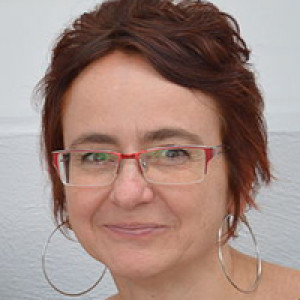
On Episode 46, Pete talks with Rowena Galavitz about her varied and engrossing interests, including literature and arts of many kinds. The two delve deep into Rowena’s vocation as an editor and translator, as Rowena shares some of her translations, as well as her process for doing said translation.
Rowena Galavitz worked as a typesetter/proofreader in New York City in the 80s, when she created art books for museums such as the Metropolitan Museum of Art and educational books for publishers such as Scholastic and while she enjoyed the art and punk rock scene of the city. When she moved to Oaxaca, Mexico, she edited, translated, or oversaw the production of coffee table art books and art catalogues about Mexican art. In Mexico City, she worked as a subtitle editor doing closed captioning for films and TV series. In the literary world, her experience includes the translation of Latin American short stories and poetry. Some of her poetry translation won a World Literature Today Prize in 2018. In her current editing and translation work, she focuses broadly on the arts and humanities and specifically on contemporary Mexican and early modern Spanish culture.
Enthusiastic and knowledgeable about literary and religious texts in the early modern world, her scholarly pursuits about women writing in Spanish have entailed archival research in Mexico and Spain, which resulted in a master’s thesis on Hipólita de Jesús (1551-1624), a Barcelona nun who wrote over twenty books. Her archival research in Peru manifested in multiple presentations on a collage by Rosa de Lima (1586-1617), about which she is currently writing a journal article. Her theoretical interests include gender and sexuality, intersectional feminism, and translation theory.
She has taught classes at the university level in English as a Second Language, English composition, and Intermediate Spanish. And she has developed syllabi on courses such as: Women Who Wrote: Literature and Religion in the Premodern World, The Long History of the End of the World, and Radical Women. She loves to teach students about how language and literature work, and she is particularly at ease when she teaches about a wide range of texts on a single theme from different historical periods.
Parallel to her editorial and educational work, she created literature-inspired art in a variety of media for three decades, mostly in Mexico, where she held five one-woman exhibits, and she participated in over 60 group shows.
At around 4:55, Rowena talks about growing up in a small town, and her grandparents’ influence on her, as they were big patrons of the library; Rowena also talks about the artistic sensibility that has been with her from an early age
At around 6:20, Rowena talks about how her Spanish learning and interest blossomed
At around 8:30, Rowena talks about her days living, researching, translating, learning, and creating in Oaxaca and México City
At around 11:30, Rowena talks about writers who have thrilled her through the years, including Richard Wright and his Native Son, A Journal of The Plague Year by Daniel DeFoe, Valeria Luiselli’s Tell Me How it Ends, Merce Redoreda's Mirall Trencat, and Manuel Astur’s San, El Libro de los Milagros.
At around 14:40, Rowena talks about her schedule as a translator/editor
At around 16:05, Rowena talks about the process, art, and science of translating and the “decisions” she makes
At around 22:15, Rowena talks about how she researches and uses historical context in her translation, including things that may not match up with 2021’s societal norms
At around 26:30, Rowena talks about balancing the different forms of spoken Spanish as she does her translations
At around 29:00, Rowena talks about some of her favorite genres to work with in translation
At around 31:00, Rowena talks about how she reads other translator’s work and working with closed captioning and subtitles
At around 33:10, Rowena talks about the Catalan language and her learning of the language
At around 35:00, Pete and Rowena read an excerpt of the English and Spanish translation done by Rowena of “La Ciudad Lucía” by Paula Ilabaca Nuñez, also discussing Rowena’s thought process in doing the translation as she highlights alliteration, enjambments, etc.
At around 41:15, Rowena talks about her future projects, including translating some work by the great Sor Juana Inés de la Cruz and Elena Poniatowska and Javier Sicilia
At around 43:00, Pete and Rowena talks about the subtleties of “tú” and “Ud.” and its peculiarities in translation as seen in the great story by Juan Rulfo, “No Oyes Ladrar los Perros”-check out Pete’s earlier episode about this story
You can now subscribe to the podcast on Apple Podcasts, and leave me a five-star review. You can also ask for the podcast by name using Alexa, and find the pod on Spotify and on Amazon Music. Follow me on IG, where I’m @chillsatwillpodcast, or on Twitter, where I’m @chillsatwillpo1.
This is a passion project of mine, a DIY operation, and I’d love for your help in promoting what I’m convinced is a unique and spirited look at an often-ignored art form.
The intro song for The Chills at Will Podcast is “Wind Down” (Instrumental Version), and the other song played on this episode was “Hoops” (Instrumental)” by Matt Weidauer, and both songs are used through ArchesAudio.com.
Friday Mar 05, 2021
Friday Mar 05, 2021
Show Notes and Links to Keegan Hamilton’s Work and Allusions/Texts from Episode
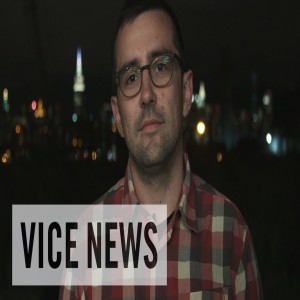
On Episode 45, Pete talks with Keegan Hamilton about his reporting for Vice News. The conversation focuses on his work for three thorough, shocking, engrossing, and nuanced multimedia pieces about the trial of El Chapo, fentanyl’s explosive growth in the US and abroad, and recent developments and fighting in Micoachan, México’s “Tierra Caliente,” fifteen years after Felipe Calderón declared “war” on the cartels.
Keegan Hamilton is a senior reporter, podcast host, and Emmy-nominated producer at VICE News, where he covers organized crime, prisons, and the drug trade.
Keegan Hamilton's Personal Website with Links to His Work
Vice News Article: "On the Front Line of Mexico’s Forever War Against the Cartels" by Keegan Hamilton and Miguel Fernández-Flores
YouTube trailer for “Painkiller: America’s Fentanyl Crisis,” a Spotify podcast series, found here
Chapo: Kingpin on Trial Podcast
At around 2:00, Keegan talks about his role as a “senior editor” at Vice News
At around 2:40, Keegan talks about his beginnings of journalism, and his love for Jack McCallum and Frank DeFord and other great writers for his beloved Sports Illustrated
At around 4:20 (coincidentally!), Keegan talks about his work at alt-weeklies and how they have informed his own writing and local alt-weeklies’ role in advancing narrative nonfiction and long-form, nuanced pieces
At around 7:00, Keegan talks about writers who have inspired him and continue to inspire him, including Charles Bowden, Terrence Papá, Ioan Grillo, and Sam Quinones
At around 11:40, Keegan talks about his view of himself as what it means to be a “writer” and “journalist,” particularly with the acceleration of multimedia in recent years
At around 14:00, Keegan talks about his writing work during the pandemic
At around 16:00, Keegan talks about Vice and their target audience(s)
At around 17:00, Keegan talks about his podcasting techniques and what’s he’s learned about the mechanics of the medium
At around 19:45, Keegan and Pete discuss the romanticization of organized crime figures, including “El Chapo,” whose U.S. trial Keegan covered in a recent Vice podcast series, as well as common misconceptions about the drug trade and its participants
At around 25:20, Keegan discusses the importance of speaking Spanish pretty well and his valuable and helpful translators, including producer Miguel Fernandez
At around 27:00, Keegan describes the thesis/pitch for the Vice News podcast/article/project chronicling 15 years of the “drug war” in Michoacán, México
At around 29:35, Pete and Keegan talk about some rays of hope in the story of the drug war, and a well-written scene at the end of Keegan’s article on Michoacán that shows a possible more tranquil future in La Tierra Caliente
At around 30:35, Pete and Keegan talk about the Michoacán autodefensas and the role of indigenous communities in forming strong groups for security and self-sufficiency
At around 32:40, Pete and Keegan discuss the role and responsibility of The United States in the “drug war,” as the users of the illicit drugs are overwhelmingly in the US
At around 34:50, Pete and Keegan toss around ideas for Keegan’s next project(s)
You can now subscribe to the podcast on Apple Podcasts, and leave me a five-star review. You can also ask for the podcast by name using Alexa, and find the pod on Spotify and on Amazon Music. Follow me on IG, where I’m @chillsatwillpodcast, or on Twitter, where I’m @chillsatwillpo1.
This is a passion project of mine, a DIY operation, and I’d love for your help in promoting what I’m convinced is a unique and spirited look at an often-ignored art form.
The intro song for The Chills at Will Podcast is “Wind Down” (Instrumental Version), and the other song played on this episode was “Hoops” (Instrumental)” by Matt Weidauer, and both songs are used through ArchesAudio.com.
Tuesday Mar 02, 2021
Tuesday Mar 02, 2021
Show Notes and Links to CJ Charles’ Work
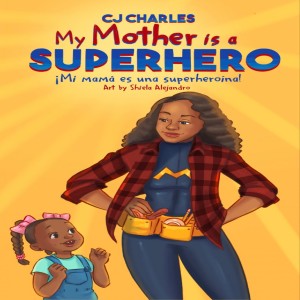
On Episode 44, Pete is happy to welcome the author of My Mother Is a SUPERHERO/¡Mi Mamá Es Una Superheroína!, Caryn “CJ” Charles.
CJ Charles is a native of Los Angeles and a proud child of the 80's and 90's! She is a writer, Spanish teacher, and educational consultant. From an early age, her mother taught her to read and appreciate books. CJ's been story writing since the first grade. My Mom is a Superhero is a love letter to her mother and an ode to supermoms everywhere! She hopes you enjoy getting to know her characters in her debut children's book.
Buy My Mother Is a SUPERHERO/¡Mi Mamá Es Una Superheroína!
Book Review in Kidlio Magazine
At around 3:00, Caryn talks about how she was introduced to Spanish at an early age, and her constant exposure to print media and books as a kid; she also talks about teachers and students (and her mom!) being surprised by her Spanish prowess
At around 8:15, Caryn talks about having pride in being an African-American Spanish teacher and finding so many connections
At around 11:00, Caryn talks about what she was reading as a kid, and which writers and texts thrilled
At around 13:55, Caryn talks about her high school and college reading and her early writing that recreated her real life
At around 14:55, Caryn talks about a major change in her fields of study in college
At around 17:55, Caryn discusses her 2021 reading
At around 18:55, Caryn discusses the inspirations for (her incredible Mom who inspires her daily!) and the beginnings of her book, My Mother Is a SUPERHERO/¡Mi Mamá Es Una Superheroína!
At around 20:45, Caryn explains the importance of superheroes in her life and the need to let children know that superheroes are all around us
At around 21:45, Caryn discusses how she and Shiela Alejandro connected and shared their visions
At around 23:30, Caryn writes about rhyming in her book and her thought process and research, as well as how writing for a younger age opened up her creativity
At around 28:15, Caryn talks about her mother’s reaction to Caryn’s book, a tribute to her beloved mom
At around 29:00, Caryn talks about the storyline of the book
At around 30:10, Caryn discusses her rationale for making her narrator the age she did
At around 31:20, Caryn discusses how she finally threw out the idea of a confining structure for her book, and how writing more freely helped the story come alive
At around 34:15, Caryn discusses how she balanced the different types of Spanish in writing her book
At around 36:55, Caryn discusses the balance between commercialism and art with her book, and her desire to provide readers with diverse characters of color representative of many cultures and groups
At around 41:15, Caryn talks about her second book that she is finishing-the teacher as a superhero!
At around 43:15, Caryn reads from My Mother Is a SUPERHERO/¡Mi Mamá Es Una Superheroína!
If you have enjoyed The Chills at Will Podcast, pause your podcast player right now, and go to Apple to leave me a nice review.
You can also ask for the podcast by name using Alexa, and find the pod on Spotify and on Amazon Music, and (new this week!) on Stitcher. Follow me on IG, where I’m @chillsatwillpodcast, or on Twitter, where I’m @chillsatwillpo1.
This is a passion project of mine, a DIY operation, and I’d love for your help in promoting what I’m convinced is a unique and spirited look at an often-ignored art form.
The intro song for The Chills at Will Podcast is “Wind Down” (Instrumental Version), and the other song played on this episode was “Hoops” (Instrumental)” by Matt Weidauer, and both songs are used through ArchesAudio.com.
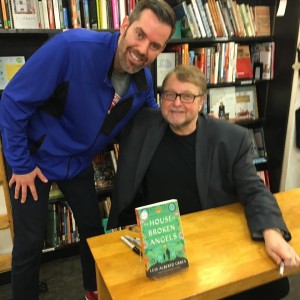
Monday Feb 22, 2021
Monday Feb 22, 2021
Show Notes and References From Episode 43
On Episode 43, Pete is honored to speak with Luis Alberto Urrea, award-winning writer, educator, humanitarian, and one heck of a humorous and generous guy. The two discuss a myriad of topics, with many revolving around his most recent book, The House of Broken Angels, an emotionally-shattering, frenetic, and gorgeous novel, and his Pulitzer Prize-nominated nonfiction work, The Devil’s Highway.
-at about 6:40, Luis talks about growing up in Tijuana as an “artsy kid” who was “infected with a desire for art,” writing and drawing
-at about 10:10, Luis talks about his incredible encounter with Ursula LeGuin (regarding a piece that he wrote about his father’s death) that changed his life
-at about 14:05, Luis recounts another life-changing event in his literary life, involving friends and a pivotal question from an early reader of his
-at about 16:25-Luis talks about his father’s attempts at getting Luis to read more texts en español and the “culture war” inside his house
-at about 19:05-Luis talks about writing about his father’s tragic death
-at about 24:45-Luis talks about those writers and texts who brought him “chills at will,” starting with hearing Dickens as a kid, read by his mother, “seeing waves of the ocean formed by words”
-at about 27:25-Luis talks about more chill-inducing reading-his love of Poe and Ambrose Bierce and being blown away by Ray Bradbury
-at about 29:30-Luis talks about the beauty and surrealism of being accepted into the “Writers’ Club”
-at about 30:30-Luis talks about the community of writers and his experience in his early days of writing and work in the community, including his connection with Alurista, Father Cesar Gonzalez, Rudolfo Anaya, Juan Felipe Herrera, and more-this time is what he calls his “training period” and “all about service”
-at about 34:45, Luis talks about an interesting character, Dave, from The House of Broken Angels, and his connection to real-life Jesuit activist Father Dave Ungerleider
-at about 37:25, Luis discusses being in service, as a bicultural and bilingual person who has built “bridges, rather than borders”
-at about 39:25, Luis discusses The Devil's Highway and how he came to be the writer of such a book
-at about 43:20, Luis talks about his early wariness on both sides with Border Patrol as he researched the book, as well as the work of researching
-at about 53:40, Luis talks about looking back at Devil’s Highway years later and all that entails
-at about 55:00, Pete and Luis talk about Luis’ use of second person narration to great effect, and Luis talks about the inspirations/motivations for second person, including his admiration for the way his friend Stewart O’Nan uses it in The Names of the Dead
-at about 56:10, Luis talks about the incredibly-affecting scene in The Devil’s Highway in which the four stages of heat stroke, as experienced by the Yuma 14, are explained in great detail
-at about 58:35, Luis talks about The House of Broken Angels and why he has called the real-life experiences that inspired the book “The Mexican Finnegan’s Wake”
-at about 1:04:45, Pete and Luis talk about some of the humor that permeates the novel, as well as the book’s addendum, a DelaCruz family tree
-at about 1:07:50, Luis and Pete talk about the use of “carnal” in the book and the book’s utter carnality, which is part of what makes the book so riveting
-at about 1:12:35, Luis discusses the pivotal, flawed, lovable, and charismatic character of Big Angel in the novel, including connection between Don Corleone, The Godfather, and Luis’ father
-at about 1:14:50, Luis explains the background of the beautiful and pivotal scene in The House of Broken Angels where Big Angel and Little Angel lay in bed together and discuss life
-at about 1:17:30, Luis explains his approach in writing the book’s Coda, including inspiration provided by Respighi's "Fountains of Rome"
-at about 1:20:45, Luis discusses his upcoming book, a “World War II epic, inspired by [his] mother’s service in The Red Cross.”
You can now subscribe to the podcast on Apple Podcasts, and leave me a five-star review. You can also ask for the podcast by name using Alexa, and find the pod on Spotify and on Amazon Music. Follow me on IG, where I’m @chillsatwillpodcast, or on Twitter, where I’m @chillsatwillpo1.
This is a passion project of mine, a DIY operation, and I’d love for your help in promoting what I’m convinced is a unique and spirited look at an often-ignored art form.
The intro song for The Chills at Will Podcast is “Wind Down” (Instrumental Version), and the other song played on this episode was “Hoops” (Instrumental)” by Matt Weidauer, and both songs are used through ArchesAudio.com.

Friday Feb 19, 2021
Friday Feb 19, 2021
Show Notes and Links to Edoardo Ballerini’s Work and Allusions/Texts from Episode
On Episode 42, Pete talks with Edoardo Ballerini about a myriad of topics, all revolving around art and creativity in some way. They discuss Edoardo’s artistic upbringing, language and translation, his writing for film and other forms, his acting, his award-winning narration of audiobooks and newspaper articles, his literary inspiration, and much more.
Edoardo Ballerini, described on multiple occasions as “The Golden-Voiced Edoardo Ballerini,” is a two time winner of the Audiobook Publishers Association’s Best Male Narrator Audie Award (2013, Beautiful Ruins, by Edoardo Ballerini; 2019, Watchers by Dean Koontz). He has recorded nearly 300 titles, including classic works by Tolstoy, Dante, Stendhal, Kafka, Calvino, Poe, Emerson, Whitman and Camus, best-sellers by James Patterson and David Baldacci, modern masterpieces by Tom Wolfe, Karl Ove Knausgaard, and André Aciman, and spiritual titles by The Dalai Lama and Thich Nhat Hahn.
On screen, Ballerini is best known for his role as junkie "Corky Caporale" on The Sopranos (HBO) and as the star chef in the indie classic Dinner Rush. He has appeared in over 50 films and tv shows, including a series regular role in the critically acclaimed Quarry, (Cinemax) and recurring roles in Boardwalk Empire (HBO), 24 (Fox) and Elementary (CBS).
Ballerini's work as a narrator has garnered international attention. Articles on his work and career have appeared in The New York Times (US), The Guardian (UK), Aftenposten (Norway) and MediaPost (US), among others. In 2019 he recorded Robert Alter’s translation of The Hebrew Bible in its entirety. In 2020 he added Leo Tolstoy's War and Peace to his growing list of titles.
He is also a two time winner of the Society of Voice Arts Award, and was recently named a “Golden Voice” by AudioFile Magazine, an honorific bestowed to only 35 narrators in the magazine’s 20 year history.
Other authors Edoardo has voiced include Chuck Palahniuk, Eve Ensler, Carson McCullers, Jay McInerney, Stephen Greenblatt, Jeffrey Deaver, Danielle Steel, Chuck Palahniuk, Louis L’Amour, Adriana Trigiani, Isabel Allende, Stieg Larsson, James Salter, Paul Theroux and Jodi Picoult.
Besides narrating audiobooks, Edoardo is also a regular contributor to Audm, where he narrates the best in long-form journalism for The New York Times, The New Yorker, Vanity Fair, Atlantic Monthly, The London Review of Books, and many other publications.
He is a graduate of Wesleyan University and lives in New York.
Edoardo Ballerini reads an excerpt from Martin Eden by Jack London
Edoardo Ballerini's Personal Website
Edoardo Ballerini on Italics-”The Voice of God” Video
Edoardo Ballerini reads Beautiful Ruins, Chapter One-YouTube excerpt
-at about 4:35, Edoardo describes his life growing up among family in New York and Milan, as well as growing up with artsy and creative parents and their parents’ artistic friends
-at about 6:45, Edoardo talks about his dual identities as Italian-American (or “Italian AND American”), as well as his love of language being fueled by growing up bilingual/multilingual
-at about 9:35, Edoardo talks about his reading interests as a kid, including myths, followed by a “dip away” into math and science, and then a return to poetry in high school and then his interest in being a writer in late adolescence
-at about 11:25, Edoardo talks about the importance of “place” in his writing, acting, and other art
-at about 14:05, Edoardo talks about the literature that has given him “chills at will,” especially the “book that changed [his] life”-Joyce’s Ulysses
-at about 17:10, Edoardo talks about being a man of many talents and interests, and he hones in on audiobook narration and the importance and tough balance of being an interprete as an audiobook narrator
-at about 21:05, Edoardo talks about what it means on a daily basis to be a “creative”
-at about 24:25, Edoardo talks about his mom’s influence on him as she was a photo historian, especially with regard to him becoming an actor, a visual and literary medium
-at about 25:55, Edoardo talks about his beginnings as an actor
-at about 27:45, Edoardo talks about his beautiful interaction with Aaliyah during the filming of Romeo Must Die
-at about 29:40, Edoardo talks about his run of four episodes on The Sopranos, including the incredible circumstances involved in filming a crucial scene with Michael Imperioli as a relapsing Christopher Moltisanti
-at about 34:45, Edoardo talks about his role as Ignatius D’Alessio in Boardwalk Empire, including how the run ended
-at about 36:25, Edoardo talks about the movie in which he starred and that he directed, Good Night, Valentino
-at about 44:05, Edoardo talks about how he got started as an audiobook narrator about 10 years ago, which coincided with the growth of the iPod, iPhone, Audible.com, etc.
-at about 47:35, Edoardo talks about continuity and recording long books
-at about 49:50, Edoardo talks about “one of the luckiest breaks of [his] life” in getting to narrate (and doing a stellar and award-winning job) Jess Walter’s Beautiful Ruins
-at about 54:00, Edoardo talks about his love for Martin Eden by Jack London, the wonderful recent Italian movie adaption, and Edoardo’s recording of Martin Eden on audiobook
-at about 1:01:50, Edoardo thrills with a reading from Martin Eden
-at about 1:03:25, Edoardo talks future projects and laughs in response to The New York Times dubbing his voice “The Voice of God…”
You can now subscribe to the podcast on Apple Podcasts, and leave me a five-star review. You can also ask for the podcast by name using Alexa, and find the pod on Spotify and on Amazon Music. Follow me on IG, where I’m @chillsatwillpodcast, or on Twitter, where I’m @chillsatwillpo1.
This is a passion project of mine, a DIY operation, and I’d love for your help in promoting what I’m convinced is a unique and spirited look at an often-ignored art form.
The intro song for The Chills at Will Podcast is “Wind Down” (Instrumental Version), and the other song played on this episode was “Hoops” (Instrumental)” by Matt Weidauer, and both songs are used through ArchesAudio.com.
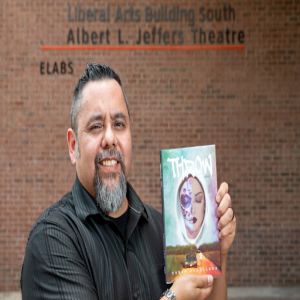
Monday Feb 15, 2021
Monday Feb 15, 2021
Show Notes and Links to Ruben Degollado’s Work and Allusions/Texts from Episode
On Episode 41, Pete welcomes Ruben Degollado, author of 2019’s Throw, a gripping, heartfelt, and profound book that deserves a place in every library and high school English classroom. Ruben and Pete discuss Ruben’s history in the Río Grande Valley, ideas around identity, pochismo, representation in literature and the media, his fictional piece about the iconic Selena Quintanilla, his blockbuster Throw, redemption, the genre of young adult fiction, Ruben’s exciting upcoming projects and much more.
Ruben’s Website
Buy Throw Through Amazon
Buy Throw Through Bookshop
Buy Dreaming: A Tribute to Selena Quintanilla Pérez
-at about 3:30, Ruben talks about growing up in McAllen, Texas, pochismo, and his language background
-at about 6:30, Ruben talks about the interplay between Spanish and English in his writing
-at about 9:15, Ruben talks about the connotations of the term pocho, and the “third country” of the Río Grande Valley, being in the physical location that it is
-at about 11:30, the above leads to discussion of the beloved Pocho by José Antonio Villarreal, as well as the books and writers that interested Ruben as a kid and an adolescent
-at about 14:20, Ruben talks about the incredible change in his writing and reading when he first read Sandra Cisneros’ work when he was in college
-at about 15:40, Ruben talks about Oscar Cásares, whose book Brownsville, among others, has given him “chills at will” and spoken to him so profoundly
-at about 17:50, Ruben talks about the “lightbulb moment” when he was published for the first time at UT-Pan American’s Gallery student literary journal, which was such a proud moment and catapulted him into writing as a more serious pursuit
-at about 21:00, Ruben talks about his early writing being “more like auto fiction”
-at about 22:40, Ruben talks about mentors and writing supporters like Rene Saldaña,
-at about 24:20, Ruben talks about his schedule and routine as a writer
-at about 25:40, Ruben talks about his piece “La Milagrosa Selena,” anthologized in Dreaming: A Tribute to Selena Quintanilla Pérez and how he has some characters who show up in multiple texts of his
-at about 31:30, Ruben reads his piece “La Milagrosa Selena” and discusses her legacy, as well as the recent Netflix series
-at about 42:22, Ruben discusses the background and ideas for Throw, including the minor and major characters and their storylines, characteristics and analogues; this also leads to a discussion of those Chicanos who speak Spanish fluently and others who don’t and issues of identity around this
-at about 50:20, Ruben discusses the main character of “Llorona”/Karina, the dichotomy of her personality, and her connections to the Legend of La Llorona
-at about 53:45, Ruben discusses Young Adult as a genre and giving young readers more credit as deep thinkers, and Pete reads a couple of profound observations from characters in Throw to illustrate Ruben’s point
-at about 55:40, Ruben discusses the “father figure”/”cautionary tale” character of Benny and the inspiration for the character; this goes with the book’s theme of redemption that Ruben talks about
-at about 59:15, Ruben reads, and he and Pete discuss the resonance of the moving excerpt from Throw
-at about 1:03:50, Ruben talks about his two major upcoming projects, including his literary adult book coming out-The Family Izquierdo-and a sequel/prequel to Throw
You can now subscribe to the podcast on Apple Podcasts, and leave me a five-star review. You can also ask for the podcast by name using Alexa, and find the pod on Spotify and on Amazon Music. Follow me on IG, where I’m @chillsatwillpodcast, or on Twitter, where I’m @chillsatwillpo1.
This is a passion project of mine, a DIY operation, and I’d love for your help in promoting what I’m convinced is a unique and spirited look at an often-ignored art form.
The intro song for The Chills at Will Podcast is “Wind Down” (Instrumental Version), and the other song played on this episode was “Hoops” (Instrumental)” by Matt Weidauer, and both songs are used through ArchesAudio.com.
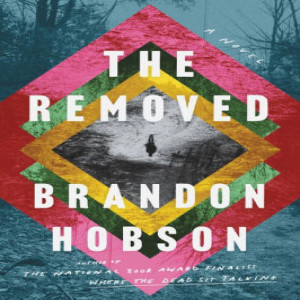
Monday Feb 08, 2021
Monday Feb 08, 2021
Show Notes and Links to Brandon Hobson’s Work and Allusions/Texts from Episode
On Episode 40, Pete talks with Brandon Hobson about his most recent books, Where the Dead Sit Talking, and The Removed. The conversation touches upon many topics, including the (well-deserved) buzz around The Removed, published on Feb. 2, the quiet alchemy that created these two great books, crafted in different ways but both profound, stereotypical and racist depictions of Natives in the distant past and today, ideas of loss and trauma and justice, and much more.
Don’t miss the movie references, either!
Dr. Brandon Hobson is the author of the novel, The Removed, as well as Where the Dead Sit Talking, which was a finalist for the 2018 National Book Award and winner of the Reading the West Award. His other books include Desolation of Avenues Untold and Deep Ellum. He received his PhD in English/creative writing from Oklahoma State University. His fiction has won a Pushcart Prize and has appeared in such places as McSweeney’s, Conjunctions, NOON, and elsewhere. Hobson is an assistant professor of creative writing at New Mexico State University and also teaches at the Institute of American Indian Arts. He is an enrolled citizen of the Cherokee Nation Tribe of Oklahoma.
Buy The Removed Here (Bookshop) and Here (Amazon)
The Removed Featured on Oprah Magazine's 55 of the Most Anticipated Books of 2021
Brandon Hobson’s Personal Website
The Removed Featured as March 2021 Pick for Roxane Gay’s Audacious Book Club
Brandon Hobson discusses The Removed on NPR’s “All Things Considered”
The Removed: Publisher's Weekly Review
The Removed: Book Review by NPR
-at about 3:00-Brandon talks about how he’s feeling three days after publication of his long-awaited novel, The Removed
-at about 10:10: Brandon discusses his book Desolation of Avenues Untold, his PhD dissertation
-at about 12:55: Brandon discusses his interest in being a versatile writer, one who writes in different genres and about different topics/themes
-at about 14:35: Brandon discusses the possible allusions in The Removed to DFW (David Foster Wallace) and Venery, a character whose name may betray his “carnal” urges, as part of a larger discussion of subjectivity in reading
-at about 17:05 Brandon talks about the places where he finds “fun” in writing, and where nonfiction and research enter that equation; he cites his friend David Heska Wanbli Weiden’s recent nonfiction work, and William T. Vollman as a sort of “trickster” in his work
-at about 20:30: Brandon discusses Where The Dead Sit Talking, his 2018 novel that was a finalist for The National Book Award, and about how “so much of the book is about communication
-at about 23:45: Brandon discusses the historical importance of Sequoyah, after whom the protagonist is named
-at about 26:05-Brandon talks about “home” and “communication” as two major themes in Where The Dead Sit Talking
-at about 27:15, Brandon talks about the ambiguity of events from Where The Dead Sit Talking, leading Pete and Brandon to discuss A Separate Peace and other texts full of ambiguity, which a lot of readers don’t like, but Pete and Brandon do
-at about 30:55, Brandon talks about creating “sympathetic”/”empathetic” characters and how his career in social work informed his writing certain characters
-at about 35:15, Brandon talks about the connection between Rosemary and Sequoyah in Where The Dead Sit Talking
-at about 41:25, Brandon reads and discusses the ending of Where The Dead Sit Talking
-at about 44:35, Brandon talks about his subtle and non-so-subtle depictions of Native American generalizations/stereotypes
-at about 45:10, Brandon talks about the background of/impetus for writing The Removed, particularly the lack of attention on police killings of Native youth and healing from trauma; Brandon draws the links between historical systematic violence against Natives, and systematic violence in modern times
-at about 49:35, Brandon talks about negative and outdated and lacking portrayals of Natives in cinema, mentioning Sterling Harjo, Tommy Orange (with his There, There) and Lucas Brown Eyes and many others who are fighting for equal representation in Hollywood and debunking stereotypes
-at about 55:20, Brandon speaks about the importance of the Echota last name in The Removed, and the significance of the name’s history as a disastrous treaty for the Cherokee people
-at about 58:50, Brandon describes the background of “The Darkening Land” and why he chose it for Edgar’s storyline, and Pete compares the skillful way that Brandon uses tension to Adam Sandler's similar journey in Uncut Gems (warning-the article uses explicit language)
-at about 1:02:25, Brandon discusses the emotional renderings in the book, particularly with regard to Maria and the whole Echota family in dealing with the trauma of Ray-Ray’s violent death, as well as the crucial scene with Maria and the police officer who killed Ray-Ray
-at about 1:04:20-Pete and Brandon discuss the breath-of-fresh-air that is the character of Wyatt, the “old soul” foster child who joins the Echota family
-at about 1:06:35-Brandon reads from the ending of The Removed
You can now subscribe to the podcast on Apple Podcasts, and leave me a five-star review. You can also ask for the podcast by name using Alexa, and find the pod on Spotify and on Amazon Music. Follow me on IG, where I’m @chillsatwillpodcast, or on Twitter, where I’m @chillsatwillpo1.
This is a passion project of mine, a DIY operation, and I’d love for your help in promoting what I’m convinced is a unique and spirited look at an often-ignored art form.
The intro song for The Chills at Will Podcast is “Wind Down” (Instrumental Version), and the other song played on this episode was “Hoops” (Instrumental)” by Matt Weidauer, and both songs are used through ArchesAudio.com.
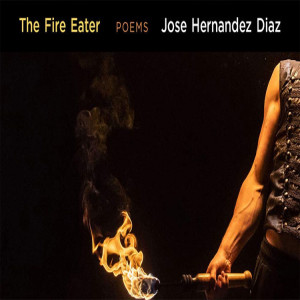
Friday Jan 29, 2021
Friday Jan 29, 2021
On Episode 39 of The Chills at Will Podcast, Pete has the pleasure to be joined by the talented prose poet José Hernández Diaz.
Jose Hernandez Diaz is a 2017 NEA Poetry Fellow. He holds degrees in English and Creative Writing from the University of California at Berkeley and Antioch University Los Angeles. His The Fire Eater: Poems has been described as follows: “Surreal, playful, and always poignant, the prose poems in Jose Hernandez Diaz’s masterful debut chapbook introduce us to a mime, a skeleton, and the man in the Pink Floyd t-shirt, all of whom explore their inner selves in Hernandez Diaz’s startling and spare style. With nods to Russell Edson and the surrealists, Hernandez Diaz explores the ordinary and the not-so-ordinary occurrences of life, set against the backdrop of the moon, and the poet’s native Los Angeles.”
Show Notes and Links to José Hernández Diaz’s Work
Jose Hernandez Diaz Page at The Poetry Foundation
The Fire Eater: Poems-buy it here (Bookshop)
The Fire Eater: Poems-buy it here (Amazon)
Surrealism defined by The Poetry Foundation
Talking Points/Authors/Books Mentioned and Allusions Referenced During the Episode:
José talks about growing up, speaking Spanish and English in different contexts, and living in Buena Park and Norwalk-at about 3:40
José talks about “Chicanismo”/”Mexican-American” and similar terms-at about 6:45
José talks about his childhood and adolescent days as basketball-obsessed and how complimentary words from a high school teacher, Mrs. Weir, helped him believe in his writing abilities-at about 9:00
José talks about being drawn to Salinger’s Catcher in the Rye as a formative book, due to its subject matter and “everyday language”-at about 11:00
José talks about often sending copies of literary journals in which he’s been published to Mrs. Weir, his life-changing teacher and about his early writing for an “American Dream” prompt where the essay was well-received; the essay was based on Rage Against the Machine’s “Wake Up”-at about 11:55
José talks about another formative writing experience, a college assignment in which he successfully bucked tradition to make a point about tradition-at about 13:00
José and Pete talk about their shared appreciation of the politically-active Rage Against the Machine-at about 14:00
José talks about his college experience and his appreciation for the culture of Cal Berkeley-at about 15:40
José talks about MF Doom and his influence on José as a person and as a writer-at about 16:30
José talks about the beginning of his publishing career with “The Border Within” in response to SB1070-at about 17:30
José talks about what has been chill-inducing for him, including Snake Poems by Francisco Alarcon, and writers including Ray Gonzalez, Richard Garcia, Marosa DiGiorgio-at about 19:20
Pete and José talk about José’s appreciation for Octavio Paz as a chill-inducing writer and a bit about his writing style-at about 20:15
José talks about the creative aspect and the “freedom” that comes with surrealism, as Pete and José talk about some defining characteristics of the genre, as well as its connections to magical realism-21:30
José talks about the themes and background of The Fire Eater: Poems-at about 26:10
José talks about bringing together non sequiturs and disparate ideas to make surrealist poetry, as well as how his music listening history, his voracious reading, and living a “minimalist” lifestyle helps him nail the “sound” of his own poetry-at about 27:30
José reads and discusses his “Cuauhtémoc Xochipilli"-at about 30:25
Pete reads José’s “The Longboard” from The Fire Eater: Poems, and José talks about its significance and background-at about 36:45
José talks about his writing schedule and daily life as a writer-at about 39:20
José talks about prose poetry and about his future projects, including his first teaching gig coming up-at about 42:00
José shouts out current writers who he really enjoys, including Michael Torres, Felicia Zamora-at about 44:20
If you have enjoyed The Chills at Will Podcast, pause your podcast player right now, and go to Apple Podcasts to leave me a nice review.
You can also ask for the podcast by name using Alexa, and find the pod on Spotify and on Amazon Music. Follow me on IG, where I’m @chillsatwillpodcast, or on Twitter, where I’m @chillsatwillpo1.
This is a passion project of mine, a DIY operation, and I’d love for your help in promoting what I’m convinced is a unique and spirited look at an often-ignored art form.
The intro song for The Chills at Will Podcast is “Wind Down” (Instrumental Version), and the other song played on this episode is “Hoops” (Instrumental)” by Matt Weidauer, and both songs are used through ArchesAudio.com.
Monday Jan 25, 2021
Monday Jan 25, 2021
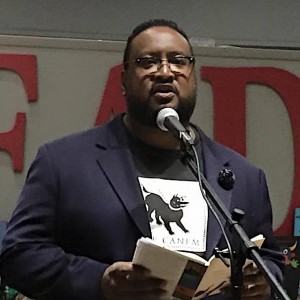
Show Notes and Links to F. Douglas Brown’s Work:
Reading at Writer’s Resist 2020
Video-"Poetry and Discernment: An Ignatian Conversation with F. Douglas Brown"
Writers/Texts Mentioned and Allusions Referenced During the Episode:
Doug talks about growing up in San Francisco and being inspired the Bay Area literary and artistic scene, including the great Diane DiPrima, Bob Haas, and his own mother, an artist herself -at about 4:30
Doug talks about his father’s outsized influence on him, through his father’s charm, gregarious nature, and steadfastness-at about 8:00
Doug reads a poem, “Hard Uncles,” about his father, published in the Virginia Quarterly Review-at about 11:00
Doug describes reciting the above poem in his father’s home state of Mississippi at a couple of readings and how special the events were, as well as how “connection” is so crucial in poetry, as demonstrated by poet great Sterling Brown-at about 15:40
Doug talks about his mother’s big influence on him, including her artistic and creative nature-at about 17:40
Doug talks about the significance of his full name, passed down from his father, and of course, the iconic abolitionist, Frederick Douglass-at about 21:35
Doug talks about the genesis of his work based on Jacob Lawrence’s panels of Frederick Douglass, as well as the role of ekphrasis and the “muse” in Doug’s own work and study-at about 24:40
Doug shows some artistic renderings of Frederick Douglass and talks about how he views Douglass and how Douglass has influenced his own work-at about 29:00-33:00
(AROUND THIS TIME, THE AUDIO WOULD BE GREATLY ENHANCED BY BEING ABLE TO SEE THE VISUALS DOUG PUTS UP AND REFERENCES-THEY CAN BE FOUND AT ABOUT 32:50 ON THE YOUTUBE RECORDING HERE)
Doug talks about Natasha Trethewey and his admiration for her work-at about 32:00
Doug reads his poem based on Jacob Lawrence’s rendering of Frederick Douglass and his overseer: “Mr. Covey, Shall We Dance?”-at about 39:10
Doug talks about chill-inducing writers for him, including the dynamic and uber-talented Tongo Eisen-Martin, recently named San Francisco Poet Laureate, Ross Gay, Natasha Trethewey, Tracy K. Smith, Mahogany Browne, Doug’s frequent collaborator, Geffrey Davis, Terrence Hayes, and Kimiko Hahn -at about 43:30
Doug talks about the powerhouse writing collective Cave Canem and its history, mission and accomplishments, including its inception in 1996, founded by Toi Derricotte and Cornelius Eady-at about 47:00
Doug and Pete talk about the brilliant poets Jericho Brown and Amanda Gorman, who recently read at the Biden/Harris Inauguration, as well as Michael Cirelli’s help in advancing youth poetry-at about 50:45
Doug talks about Zero to Three, his award-winning poetry collection-at about 53:20
Doug reads “Epistemology of Laundry” and discusses its themes, particularly of the father-son bond-at about 58:20
Doug talks about the Sandra Bland Reading Series, including its ethic of downplaying the artist and lifting up the art, as seen with Amanda Johnston, Jonterri Gadson, Jericho Brown, and Mahogany Browne and their organization, Black Poets Speak Out-at about 1:03:45
Doug talks about his job and vocation as a high school educator and how he is able to integrate his art into the classroom-at about 1:10:30
Doug talks about some favorite texts to teach in his classroom, including the contemporary "To the Notebook Kid" by Eve L. Ewing, and Ocean Vuong’s “Someday I’ll Love Ocean Vuong”-at about 1:13:45
Doug talks about upcoming projects, including two essays coming out this spring, in the anthology Teaching Black and through the Langston Hughes Center-at about 1:18:00
Doug talks about his DJing and his music influences-at about 1:23:00
Doug talks about mixtapes and their importance in his current DJ crew, with their shared need for mourning lost loved ones, particularly by dedicating poems/music to parents-at about 1:24:30
Pete and Doug resist the “in my day” hip-hop attitude-at about 1:27:45
Pete shouts out the Dissect Podcast, an incredible analysis of one hip-hop album per season, through a “close read”-at about 1:29:35
Doug reads four sonnets that have been written recently, full of allusions and inspired by his DJ crew (sonnet is entitled “A DJ Spins the Blues”); he talks about the significance of the poem and how we honor our parents and their legends-at about 1:31:00
Monday Jan 18, 2021
Monday Jan 18, 2021
Show Notes and Links to Jon Finkel’s Work
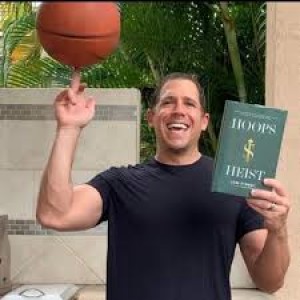
On Episode 37, Pete is honored to talk with Jon Finkel, the award-winning author of Hoops Heist, The Life of Dad, Jocks In Chief, The Athlete, Heart Over Height, “Mean” Joe Greene and more. His books have been endorsed by everyone from Mark Cuban and Tony Dungy to Spike Lee, Kevin Durant and Chef Robert Irvine. He has written for GQ, Men’s Health, Yahoo! Sports, The New York Times and has appeared on CBS: This Morning, Good Morning Texas, and hundreds of radio shows, podcasts and streams.
Jon's 2020 book, Hoops Heist: Seattle, the Sonics, and How a Stolen Team's Legacy Gave Rise to the NBA's Secret Empire, can be found wherever books are sold.
Article from 2013 about Nate Robinson's Incredible Leaping Ability
Buy Hoops Heist here! (Bookshop)
Buy Hoops Heist here! (Amazon)
“Notable mention” in The Best American Sports Writing anthology in 2017: Basketball in the Driveway
Authors/Books Mentioned and Allusions Referenced During the Episode:
-at around 2:45-Jon Finkel talks about his love of reading as a kid, particularly sports biographies, and his family’s love of sports
-at around 5:15-Jon talks about the childhood athletic battles between he and his brother, echoed by Pete with he and his brothers’ battles, especially in basketball
-at around 7:00-Jon and Pete wax nostalgic and poetic about the “old days” and Sports Illustrated as a print magazine juggernaut and some of the great writers (Steve Rushin was Jon’s favorite)
-at around 10:45-Jon talks about his luck in growing up in Boston and reading all-star journalists like Jackie McMullen, Bob Ryan, Leigh Montville, and more
-at around 11:45-Jon and Pete talk about SÍ for Kids icon Buzz Beamer
-at around 12:35-Jon talks about “chills at will” in his own reading history, including Rick Reilly’s “Life of Reilly” and Jim Murray’s The Great Ones
-at around 18:20-Jon talks about his college and post-graduate education in writing, both in the classroom and outside
-at around 22:00-Jon talks about working in Hollywood through building sets on The Man Show and soon writing some for the show
-at around 23:00-Jon talks about his self-education in writing a query letter and debuting with Men’s Fitness after inquiring about writing an article in which he would train and learn to dunk
-at around 24:50-Jon talks about the article that was published following his query
-at around 25:55-Pete and Jon discuss story ideas of theirs that had great potential but have exceeded their statute of limitations; Jon talks about training for the NFL combine and competing in a high-level volleyball for prospective articles; Pete talks about his perfect setup for a book idea about dunking-one that got away
-at around 31:35-Jon talks about his early writing for Men’s Health and Men’s Fitness and beginning by writing personal profiles that ended up becoming consistent cover stories
-at around 34:45-Jon talks about the balance between commerce and art, particularly in writing aesthetically-pleasing prose and also satisfying advertisers
-at around 38:45-Jon tells two incredibly unique Karl Malone stories, one involving a photo shoot, and one involving Kobe Bryant
-at around 45:45-Jon talks about his personal relationship with Nate Robinson and how it led to his first book, Heart over Height
-at around 48:45-Jon talks about Dadvantage: A Blueprint for New Fathers to Stay in Shape on No Sleep, with No Time and No Equipment and The Life of Dad: A Blueprint for New Fathers to Stay in Shape on No Sleep, with No Time and No Equipment; he also talks about
-at around 52:45-Jon talks about how he and Isaiah Thomas’ Slow Grind Media managed to write and publish his most-recent book, the outstanding Hoops Heist, in a pandemic year
-at around 54:50-Pete and Jon talk about how the structure of the book (Part I as Seattle and Sonics history; Part II as the legacy of Seattle’s close-knit basketball community) adds to its power
-at around 57:45-Jon talks about the importance of using present tense to solidify perspective, including adding to the pathos when the reader experiences the last days of the Seattle NBA franchise as described in the book
-at around 1:00:05-Jon reads from Hoops Heist and discusses Bill Russell, his greatness, his resentments, the media, and racism
-at around 1:04:30-Jon discusses the iconic 90s Sonics
-at around 1:05:45-Jon discusses the basketball camps and incredible cooperation and fraternity of Seattle basketball, and how Seattle truly is a special and welcoming basketball family
-at around 1:10:05-Pete (cringe) drops a bar from a freestyle about Doug Christie
-at around 1:10:30-Jon talks upcoming projects, including some cool ideas for “bite-sized bios” and a documentary based on Hoops Heist
If you have enjoyed The Chills at Will Podcast, pause your podcast player right now, and go to Apple Podcasts to leave me a nice review.
You can also ask for the podcast by name using Alexa, and find the pod on Spotify and on Amazon Music. Follow me on IG, where I’m @chillsatwillpodcast, or on Twitter, where I’m @chillsatwillpo1.
This is a passion project of mine, a DIY operation, and I’d love for your help in promoting what I’m convinced is a unique and spirited look at an often-ignored art form.
The intro song for The Chills at Will Podcast is “Wind Down” (Instrumental Version), and the other song played on this episode was “Hoops” (Instrumental)” by Matt Weidauer, and both songs are used through ArchesAudio.com.
Friday Jan 15, 2021
Friday Jan 15, 2021
Show Notes and Links to Daniel Ruiz’s Work and Allusions/Texts from Episode
On Episode 36, Pete welcomes the well-read author of Coconut Versus and professor extraordinaire at Los Angeles City College, Daniel José Ruiz. The conversation is rich, as the two discuss Daniel’s transitory childhood, code-switching, masculinity, Octavia Butler’s greatness, teaching literature, Daniel’s gripping Coconut Versus, and much more.
Daniel’s Website
Buy Coconut Versus! Through Amazon
Buy Coconut Versus through Floricanto Press!
Daniel talks about mentors and the origin of his children’s unique and stellar names-at about 2:00
Daniel talks about his upcoming novel, which is currently in galley form-at about 5:10
Daniel talks about his childhood in which he moved often-at about 5:40
Daniel talks about CA’s Central Valley as a bedrock for him and a formative location in his development-at about 8:50
Daniel talks about always being the “new kid” and how that affected his development, a tendency to be proficient at “code-switching” and how being an observer helped his writing-at about 10:30
Daniel talks about his interesting approach to writing strong dialogue-at about 12:30
Daniel talks about language and literacy in his youth-at about 14:00
Daniel talks about childhood reading choices-at about 17:30
Daniel discusses some stalwarts of his adult reading, starts like Luis Rodriguez, Zora Neale Hurston, Octavia Butler, and Toni Morrison-at about 19:20
Daniel discusses Octavia Butler as his #1 favorite and how she was “incredibly prescient” in writing about power-at about 19:45
Pete and Daniel discuss sci-fi and fantasy as escapism, a refuge for people who consider themselves “outsiders” in some way-at about 21:30
Daniel quotes Butler’s Kindred and a line from Pablo Neruda as chill-inducing for him-at about 23:50
Daniel talks about The Autobiography of Malcolm X as a “seminal text” in his life-at about 25:50
Daniel discusses art and his particular writing and reading as “always [inherently] political”-at about 27:40
Daniel discusses his wife’s art and art’s place in the couple’s life-at about 31:00
Daniel talks about his recent appearance at the open mic night at Mi Espresso Cultura-at about 36:00
Daniel talks about the state of “publish or perish” in 2021 academia-at about 38:35
Daniel discusses the impact of Common Core as he sees it in his classroom-at about 40:22
Pete and Daniel discuss “engag[ing] the word on the page” with difficult-at about 44:00
Daniel and Pete discuss texts that energize and interest his students, including V for Vendetta, 1984, World War Z and Octavia Butler’s trilogy which leads to rich discussion with their realistic depictions of race, climate change, pandemic, and the vagaries of power-at about 46:20
Shout out to the LACC student favorite, Daniel’s friend Scott Creley, and his Digging a Hole to the Moon-at about 50:30
Pete and Daniel discuss The Inland Empire, described adroitly by Daniel as a “collection of contradictions”-at about 52:25
Pete and Daniel discuss the latter’s book, Coconut Versus, and its seeds, including a professor who inspired him to put his thoughts on Chicanismo on paper-at about 53:35
Daniel talks about the epigraph’s importance and his want of writing about his unique culture(s)-at about 57:00
Pete talks about his love of the book Pocho, and how Daniel sees the term “pocho,” including its connection to W.E.B. Dubois’ “double consciousness”-at about 57:55
Daniel talks about how peers often saw a need to act in a certain way as “Latino” or “Mexican”-at about 1:00:00
Daniel and Pete discuss masculinity as seen in Coconut Versus, and in society in general-at about 1:02:20
Daniel discusses the “coming-of-age- qualities of Coconut Versus-at about 1:08:30
Daniel and Pete discuss the cultural markers that make Coconut Versus authentic-at about 1:09:45
Daniel reads from Coconut Versus-at about 1:10:50
Daniel discusses the significance of the book’s title-at 1:14:45
You can now subscribe to the podcast on Apple Podcasts, and leave me a five-star review. You can also ask for the podcast by name using Alexa, and find the pod on Spotify and on Amazon Music. Follow me on IG, where I’m @chillsatwillpodcast, or on Twitter, where I’m @chillsatwillpo1.
This is a passion project of mine, a DIY operation, and I’d love for your help in promoting what I’m convinced is a unique and spirited look at an often-ignored art form.
The intro song for The Chills at Will Podcast is “Wind Down” (Instrumental Version), and the other song played on this episode was “Hoops” (Instrumental)” by Matt Weidauer, and both songs are used through ArchesAudio.com.
Monday Jan 11, 2021
Monday Jan 11, 2021
Show Notes and Links to Jess Walter’s Work and Allusions/Texts from Episode
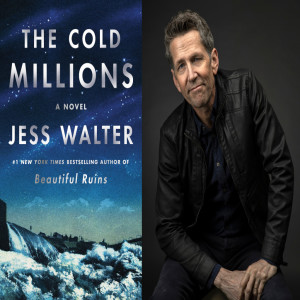
On Episode 35, Pete talks with Jess Walter about his incredible fiction, his nonfiction roots, basketball, writing genres, chill-inducing lines, Jess’ masterpieces Beautiful Ruins and The Cold Millions, and much more.
Jess Walter is the author of nine books, most recently the national bestseller The Cold Millions and #1 New York Times bestseller, Beautiful Ruins; The Zero, finalist for the National Book Award; and Citizen Vince, winner of the Edgar Award. His short story collection, We Live in Water, was selected by Barack Obama as one of his favorite reads of 2019. His work has been published in 32 languages and his short fiction has appeared three times in Best American Short Stories.
Article on Background of Beautiful Ruins
Jess Walter’s Personal Website
Jess Writes about His “Esquire Magazine” Credentials and Interviewing Kurt Vonnegut
Article about POTUS Barack Obama listing We Live in Water as one of his favorite reads of 2019
Jess Walter describes the thrill of his short-story collection We Live in Water being listed by former POTUS Barack Obama as one of his favorite books of 2019-at around 3:10
Jess describes his place among the greatest basketball players of all-time (and among writers-”for a writer, [he’s] decent-at around 5:15
So cool! Jess describes playing on a basketball team with great writers Sherman Alexie, Shann Ray, Natalie Diaz, called “The Spokane Dirty Realists”-at around 6:15
Jess talks Gonzaga hoops (Go Zags!)-at around 7:10
Jess describes the cool 1-on-1 game that he has played throughout much of the pandemic with his brother-at around 7:55
Jess and Pete talk about the pandemic’s impact on aging basketball players-at around 9:40
Jess talks about wanting to play basketball into his 60s and 70s, maybe playing against Slick Watts or some great Seattle legends; Pete references upcoming guest Jon Finkel’s excellent book, Hoops Heist, about the insular and special basketball community that is Seattle-at around 10:45
Jess describes the importance of growing up in Spokane in a blue-collar family and literary influences-at around 12:05
Jess discusses the childhood injury that led to his “falling in love with books” and later getting into science-fiction and loving the inventiveness and play of Kurt Vonnegut-at around 12:45
Jess discusses some formative writers in his own journey to becoming a writer-”1970s cinematic realism” like Dog Day Afternoon, Raymond Carver, Hemingway, and in discovering that he loved nonfiction and journalism, Joan Didion-at around 14:00
Jess talks about “stalking” writers as a fan, writing letters and bugging them, and -at around 14:50
Jess talks about getting press credentials to set up a one-on-one meeting with Kurt Vonnegut at Gonzaga University in the mid-80s, memorialized in this article-at around 15:30
Pete and Jess discuss the similarity between Jess’ fandom of Kurt Vonnegut, and scenes from Tobias Wolff’s Old School in which poet Robert Frost is a visitor to a prep school; this leads to a broader discussion about writers and celebrity-at around 17:40
Pete and Jess discuss “Bullet in the Brain,” Tobias Wolff’s epic short story that has inspired the podcast and its title-at around 21:45
Jess, off the top of his head (!), reads the opening line of One Hundred Years of Solitude and talks about its significance as a “chill-inducing line” for him-at around 23:45
Jess talks about trusting himself as a reader to give himself the inspiration for writing, pointing to truisms from his short story “Wheelbarrow Kings”-at around 25:50
Jess talks about his early writing: journalism and his first book, based on Ruby Ridge-The Truth and Tragedy of the Randy Weaver Family-at around 28:00
Pete and Jess talk about the common link of many great writers, such as Jeff Pearlman, guest on Episode 33, and their formative years in crime reporting-at around 29:15
Jess talks about Beautiful Ruins and his distaste for classifying literature, particularly “historical fiction”-at around 31:20
Jess reads and discusses the importance of his epigraph for Beautiful Ruins-at around 33:00
Jess talks about the importance of the title of Beautiful Ruins, discovered in a thrilling fashion many years after he’d started the book, and how it informs a throughline of the novel-at around 34:25
Jess talks about and reads from The Cold Millions and reflects on its title’s importance-at around 35:40
Jess and Pete talk about the masterful ways in which Jess uses flashback/flashforward/juxtaposition in his last two novels to craft incredible storylines; this leads to a shared appreciation of the last scene of The Godfather Part II, discussed on Episode 25-at around 37:40
Jess discusses the non-linear construction of The Cold Millions and Beautiful Ruins-at around 40:00
Jess talks about the line between fiction and history in his writing of The Cold Millions-at around 42:00
Pete talks about the power of the ending-due to its structure-of The Cold Millions-at around 43:45
Jess talks about the parallelism of War and Peace and The Cold Millions and its ending-at around 45:00
Jess reads from the ending of Beautiful Ruins-CHILLS!-at around 44:40 (POSSIBLE PLOT SPOILER-if you don’t want to know the last part of the book, skip this part: 48:10 to 49:15
Friday Jan 08, 2021
Friday Jan 08, 2021
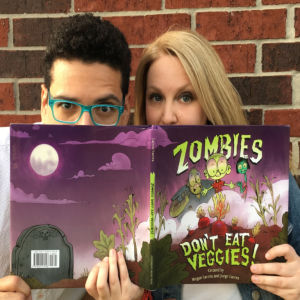
Show Notes and Links to Megan and Jorge Lacera’s Work
On Episode 34, Pete is honored to speak with talented writers and artists and creators, Megan and Jorge Lacera.
Artist Jorge Lacera was born in Colombia, and grew up in Miami, Florida drawing in sketchbooks, on napkins, on walls, and anywhere his parents would let him.
After graduating with honors from Ringling College of Art and Design, Jorge worked as a visual development and concept artist for major gaming studios and entertainment companies.
As a big fan of pop culture, comics, and zombie movies, Jorge rarely saw Latinx kids as the heroes or leads. He is committed to changing that, especially now that he has a son.
Jorge is currently helping to create the next chapter in the Bioshock franchise as the Associate Art Director at Cloud Chamber Studios in Montreal, Quebec.
Writer Megan Lacera grew up in the suburbs of Cleveland, Ohio, with a book always in her hands. She became a writer and creator of characters and worlds for entertainment companies like American Greetings, Hasbro, and Goldieblox and later formed her own creative company where she creates original content and consults on marketing, social media, and strategic direction for start-ups and large corporations.
After reading many stories to their son, Megan realized that very few books reflected a family like theirs--multicultural, bilingual, funny, and imperfect. She decided to change that by writing her own stories.
Storyline Online Reading of Zombies Don’t Eat Veggies! By Jamie Camil
Storyline Online Reading of ¡Los Zombis no Comen Verduras! By Jamie Camil (en Español)
Jorge talks about growing up with Spanish as his first language after moving from Barranquilla, Colombia, as a toddler, as well being a heavy reader of all books, and especially comic books as a kid; he also discusses solidifying his English reading abilities due to his older cousins’ influence on his reading material and how his parents joked that they had to tear books out of their print-curious young son’s hands-at around 3:00
Pete and Jorge bond over Batman: The Animated Series-at around 7:30
Jorge talks about going from children’s books and comic books to supernatural books to Star Wars and Animal Farm, which “blew [him] away”-at around 8:30
Jorge talks about Frank Miller and lines that provide him “chill at will”; and he does it off the top of his head!-at around 10:30
Megan talks about her childhood in Ohio and her love of reading sports books, particularly sports history-at around 11:40
Jorge talks about Gabriel García Márquez’s influence in his life-at around 15:30
Pete hopes to manifest the appearance of Marquez’s son, a writer himself, on a future podcast episode-at around 17:40
Jorge talks about his art-heavy education from middle school on-at around 18:00
Jorge talks about the intricacies of art education-fine art/illustration, storytelling etc.-at around 19:30
Jorge talks about the lack of representation in picture books and similar content as he was growing up-at about 21:40
Jorge talks about his college thesis and his conscious decision to create more diverse characters in response to the lack of diversity in so many areas of literature and pop culture-at about 24:00
Megan talks about writers and writing that have given her “chills at will”-at around 24:50
They begin to discuss their children’s book, Zombies Don’t Eat Veggies!, and its background in the shared job that Jorge and Megan had and their desire to create more inclusive stories-at around 27:05
Jorge and Megan talk about their desire to create fun and silly multicultural/bilingual books for children-at around 29:20
Megan talks about the increased appeal of zombies in recent years and the impetus for creating a book about zombies and as a vessel for a lot of topics they had wanted to include-at around 30:00
Megan and Jorge talk about their separate and shared duties as writers/illustrators-at around 32:00
Jorge talks about the pitching process for the book-at around 32:40
Jorge and Megan discuss the thought process of writing the book using Spanglish-at around 33:30
Jorge talks about the “balancing act” between commerce and art and the seeking out of the proper audiences, and Megan talks about the importance of creating interesting content-at around 36:50
Jorge talks about the vegetarianism theme of the book and the dining habits of young children-at around 40:22
Jorge discusses the themes of the book and how to avoid bringing these themes in a heavy-handed manner; he discusses the importance of “authenticity”-at around 44:15
Jorge discusses the structure of the book and Pete, as a reader, affirms the power of the cliffhanger set up by Jorge and Megan-at around 46:20
Jorge and Megan read from Zombies Don’t Eat Veggies!-at around 47:30
Jorge and Megan shout some smaller bookstores from which the book can be bought: Book Shop, Drawn and Quarterly in Montreal, Lee and Low Publishing, Blue Willow Books in Houston, Mrs. Dalloway’s in Berkeley--at around 50:35
Megan and Jorge talk about the first time seeing their finished, published book-at around 51:50
Jorge and Megan talk about Storyline Online and how Jamie Camil got involved-at around 53:35
Jorge and Megan talk about balancing life and writing and how they complement each other-at around 58:00
Jorge and Megan talk about their The Wild Ones book, set to be published in 2022, as well as themes/ideas therein-at around 1:02:30
Pete and Jorge and Megan talk -at around 1:06:50
Thursday Jan 07, 2021
Thursday Jan 07, 2021
Monday Jan 04, 2021
Monday Jan 04, 2021
Show Notes and Links to Jeff Pearlman’s Work
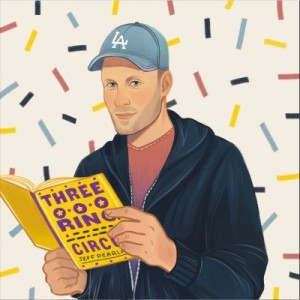
On Episode 33,Pete is honored to speak with sportswriter Jeff Pearlman. Jeff is the New York Times best-selling author of nine books, including 2020s Three-Ring Circus: Kobe, Shaw, Phil and the Crazy Years of the Lakers Dynasty. He has written for Sports Illustrated as a senior writer, ESPN.com as a columnist and for Newsday as a staff writer. He contributes to Bleacher Report and CNN.com, and blogs regularly at www.jeffpearlman.com. He hosts the informative podcast "Two Writers Slingin' Yang."
Pete and Jeff talk about a range of subjects from Jeff's early days of reading sports page-turners, chill-inducing texts and inspiring writers, his days at Sports Illustrated, some incredible anecdotes from Jeff's writing days, Bo Jackson, Kobe, Magic, Barry Bonds, Shaq, J.R. Rider and many more standout athletes, Tupac, Donald Trump and the USFL, and much more.
Buy Three Ring Circus: Kobe, Shaq, Phil, and the Crazy Years of the Lakers Dynasty
Excerpt from Football for a Buck: The Crazy Rise and Crazier Demise of the USFL.
Excerpt from Three-Ring Circus, via ESPN.com
Authors/Books Mentioned and Allusions Referenced During the Episode:
Jeff Pearlman talks about his early days of being a bibliophile and an avid reader of the newspaper and how this early reading was an antidote for parochialism-at around 2:30
Jeff talks about the importance of Zander Hollander’s annual sport journals and their outsized impact on Jeff’s writing dreams-at around 7:15
Jeff talks about writers who have given him “chills at will,” including University of Delaware's Mike Freeman and his “conversational style of writing” and Pat Jordan and his great masterpiece, A False Spring, one of Jeff’s all-time favorites -at around 9:35
Pete embarasses himself by mixing up mascots for University of Delawarwe -at around 12:10
Jeff talks about the transformative power of The Autobiography of Malcolm X-at around 12:30
Jeff talks about the distinction between books that are “good”/”great”/and “important”-at around 13:50
Jeff talks about how his Jets’ fandom began-at around 15:00
A nice shout out to Sacramento’s own Ken O’Brien-at around 17:00
The discussion moves to Jeff’s impressive nine books, starting with his book about the New York Mets, after Jeff gives some background on his earliest writing jobs, including writing for The Nashville Tennessean-at around 18:10
Jeff gives his Sports Illustrated origin story, including his unsuccessful bid at becoming an NBA draftee-at around 20:00
Jeff talks about the personal turning point that was the 2001 World Series-at around 22:55
Jeff and Pete talk about the importance and gravitas of Sports Illustrated, with Jeff telling a story about how overwhelmed he was at being a part of such a legendary writing staff -at around 24:00
Pete and Jeff discuss the singular thrill of the SÍ cover, and Jeff talks about his own work gracing the cover with his story on Ichiro Suzuki-at around 27:10

Jeff discusses Donald Trump’s involvement in the USFL, as so skillfully chronicled in Jeff’s book, Football for a Buck: The Crazy Rise and Crazier Demise of the USFL, excerpted here-at around 28:30
Pete and Jeff discuss his Barry Bonds book and Jeff’s impressions of Bonds, Love Me, Hate Me: Barry Bonds and the making of an Antihero-at around 35:25
Pete and Jeff discusses Showtime: Magic, Kareem, Riley, and the Los Angeles Lakers Dynasty of the 1980s, Jeff’s incredible book on the late 70s and 80s Lakers juggernaut and the behind-the-scenes imbroglios-at around 38:40 and intermittently throughout
Jeff talks about the idea of a sports writer as a “fan”-at around 38:45
Jeff discusses his detailed research regimen for his writing and the importance of details and description-at around 40:45
Jeff talks about the sometimes complementary players who often make for great storylines and character sketches in his books-at around 42:45
Pete shouts out his high school crush, Vanessa Marcil, mentioned in passing by Jeff in his most recent book-at around 44:30
Jeff discusses his latest book, Three Ring Circus: Kobe, Shaq, Phil, and the Crazy Years of the Lakers Dynasty-an incredible read!-and his interesting and successful choice to start the book with Magic Johnson’s 1996 comeback that may have set the Lakers back a bit in their development-at around 45:30
Jeff discusses his Author’s Note regarding Kobe Bryant’s death that begins Three Ring Circus...-at around 46:25
Jeff discusses why he started book with the Epigraph that he did and its connection to young Kobe Bryant-at around 48:10
Jeff and Pete discuss an interesting anecdote from the book, relayed by Jon Finkel, regarding Kobe’s being “coached” into social norms-at around 49:10
Jeff discusses how his initial fears about his latest book (he calls it the “hardest book [he’s] ever written) not being received favorably have been completely put to rest, still a bit to his surprise-at around 49:50
Jeff talks about the seeming disconnect between the trudging work and not-so-glitzy parts of writing a book and the reviews that come later-at around 50:55
Jeff and Pete hone in on Kobe’s personality/history as described in the book and beyond-at around 51:15
Pete asks Jeff what he would have asked Kobe about had Kobe been interviewed for the book and Jeff talks about the human condition of “youth [being] wasted on the young”-at around 51:45
Jeff talks about the reporting regarding Kobe’s sexual assault case from 2003-at around 54:00
Jeff and Pete shout out Isaac Fontaine, local hero of Pete’s, who makes a cameo in Jeff’s recent book-at around 55:30
Jeff shares his mid-1990s NBA Scouting Report-at around 57:30
Jeff shares the incredible story behind interviewing J.R. Rider for the book-at around 58:00
Jeff quotes the great Jack McCallum in talking about writing’s great payoff being in the great stories that come with the writing life-at around 1:00:14
Jeff talks about his podcast, “Two Writers Slingin’ Yang,” and his belief that writers should not be treated like royalty for being “generous with their appearances” and that he does podcasts and talks writing simply because he loves writing and good conversation -at around 1:10:10
Jeff explains the genesis of the podcast’s name-at around 1:03:50
Jeff talks about Bo Jackson and his upcoming book about Bo Jackson-at about 1:06:10
Jeff talks about his desire to write a Tupac biography-at about 1:08:10
Jeff Pearlman’s bio, from his website: “I’m the New York Times best-selling author of nine books. My latest release, Three-Ring Circus: Kobe, Shaw, Phil and the Crazy Years of the Lakers Dynasty, came out in hardcover in September 2020 and is available now in myriad places. I am a former Sports Illustrated senior writer, a former ESPN.com columnist and a former staff writer for Newsday and The (Nashville) Tennessean. I wrote a weekly column for The Athletic, and contributed to a whole bunch of places, ranging from Bleacher Report to the Wall Street Journal to Sports Illustrated to CNN.com. I also co-host the “Two Writers Slinging Yang Podcast” as a solo artist. I’m a habitual blogger, an addicted Tweeter and a guy who knows how lucky and fortunate he is to make his career as a writer/author/Tom Cruise lookalike. There are plenty of people in this world who hate their jobs; hate starting the day; hate what they do and dream of retirement. That’s not me. I’m the luckiest guy in the world. I do what I love.”
If you have enjoyed The Chills at Will Podcast, please go to Apple Podcasts to leave me a nice review. LIKE, SHARE, and SUBSCRIBE!
You can also ask for the podcast by name using Alexa, and find the pod on Spotify and on Amazon Music. Follow me on IG, where I’m @chillsatwillpodcast, or on Twitter, where I’m @chillsatwillpo1.
This is a passion project of mine, a DIY operation, and I’d love for your help in promoting what I’m convinced is a unique and spirited look at an often-ignored art form.
The intro song for The Chills at Will Podcast is “Wind Down” (Instrumental Version), and the other song played on this episode was “Hoops” (Instrumental)” by Matt Weidauer, and both songs are used through ArchesAudio.com.